
Monthly RV Sites With Electricity: What to Check
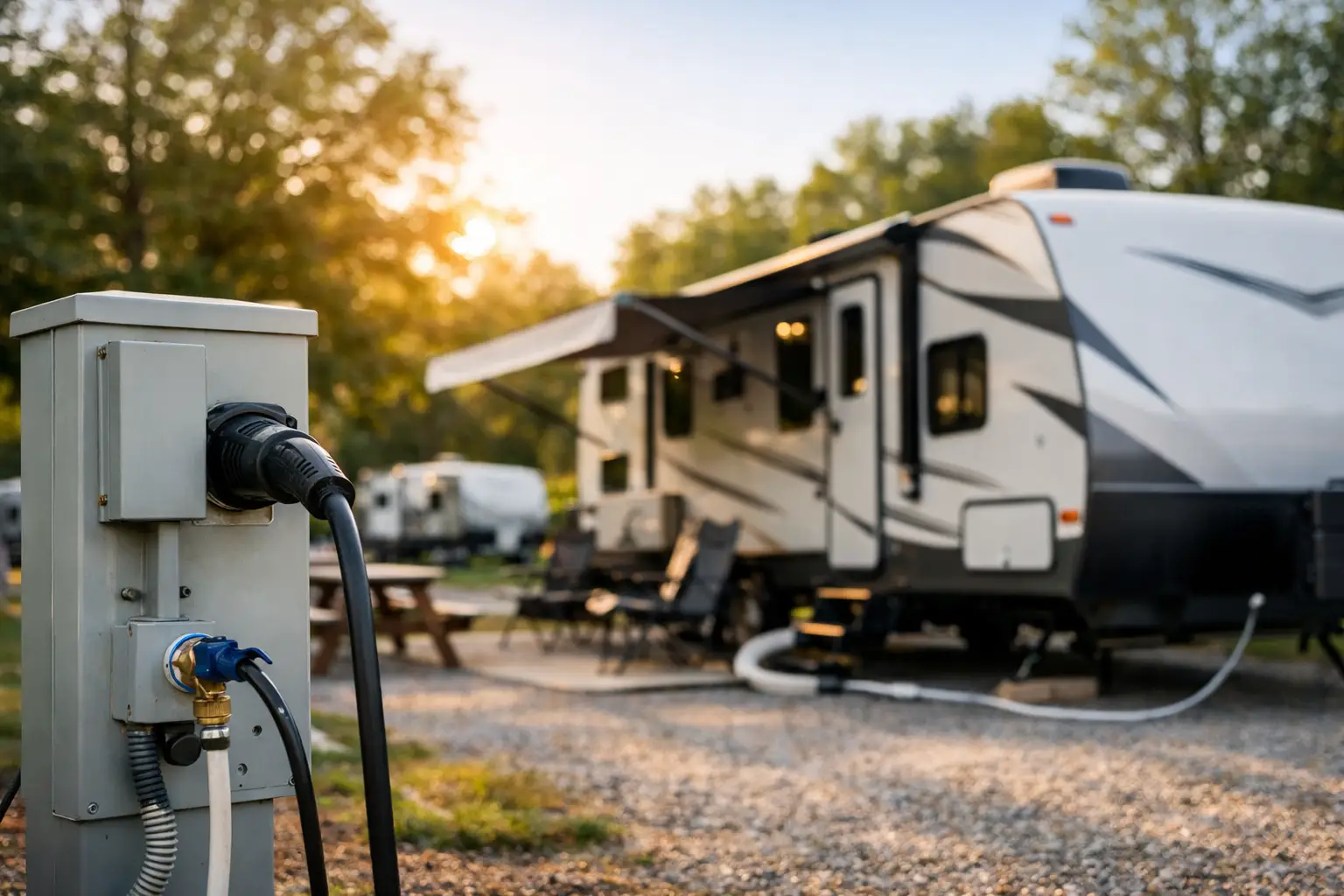
A monthly RV stay can make life on the road feel a lot more settled – provided the site has dependable power and the terms are clear from the start. When you are looking for monthly RV sites with electricity, you are not just reserving a place to park. You are choosing the setup that will support your daily routine, your budget, and your comfort for weeks or months at a time.
For travelers working nearby, waiting on a job assignment, visiting family, or simply taking their time through Georgia, the right RV site removes a lot of small frustrations. A full hookup, easy interstate access, and a quiet place to come back to at night can matter more than a long list of extras you may never use.
Start With the Electrical Service
Electricity is one of the biggest differences between an overnight RV stop and a site that works for a full month. Before you book, confirm whether the pedestal provides 30-amp service, 50-amp service, or both. The right answer depends on your RV and how you plan to live in it.
A 30-amp connection can work well for many travel trailers, smaller motorhomes, and modest daily power needs. It requires a little planning when you run the air conditioner, microwave, water heater, or space heater. Running several high-draw appliances at the same time can trip a breaker.
A 50-amp hookup gives larger rigs and more appliance-heavy households more breathing room. It is often the better fit for bigger fifth wheels, Class A motorhomes, multiple air conditioners, or anyone staying through hot Georgia weather. More amps do not mean you should ignore your usage, but they can make daily living easier.
Ask whether the power pedestal is maintained, easy to reach from your RV, and compatible with your cord. If you use an adapter or extension, bring equipment rated for RV use and check it regularly. A loose, damaged, or overheated connection is not something to put off until later.
Know How Electricity Is Billed
Monthly RV sites can handle electricity in different ways. Some include a set amount of electricity in the monthly rate. Others charge usage separately based on a meter reading. Neither approach is automatically better. What matters is knowing the arrangement before you settle in.
A rate that includes electricity can make budgeting simple, especially if your usage is predictable. Separate metering may be a fairer choice when power use varies widely from one guest to another. For example, a guest who is away most of the day will likely use less electricity than a family running air conditioning, cooking often, and working remotely from the RV.
Get a clear answer on a few practical details: Is electricity included or billed separately? If it is metered, when is the meter read and when is payment due? Is there a deposit? Are there charges for unusually high usage? Straight answers prevent surprises at the end of the month.
Your power bill will depend on the season, your RV insulation, the size of the unit, and your habits. Air conditioning is usually the largest factor during a Georgia summer. Electric space heaters can add up during colder spells, too. Keeping filters clean, closing blinds during the hottest part of the day, and checking door and window seals can help your RV stay comfortable without running the system harder than necessary.
A Full Hookup Makes Monthly Stays Easier
Electricity matters, but it works best alongside reliable water and sewer service. A full-hookup site lets you handle the everyday basics without making frequent trips to a dump station or filling fresh-water tanks every few days. For an extended stay, that convenience is a real quality-of-life issue.
Ask whether the water connection has steady pressure and whether the sewer hookup is positioned conveniently for your RV. Bring a pressure regulator, a quality drinking-water hose, and a secure sewer hose setup. These are small pieces of equipment, but they protect your plumbing and make move-in day smoother.
Also consider the space around the site. Can you park your tow vehicle? Is there room to put out chairs or walk your dog? Does the pad feel level and stable? Monthly guests do not need a resort-style setup, but they do need a site that feels workable after the first few nights wear off.
Choose a Location That Fits Your Actual Schedule
A low monthly rate is only a good value if the location helps, rather than complicates, your days. If you are traveling along I-16, working in or around Dublin, or need to head out early, a park near the interstate can save time and fuel without putting you in the middle of a noisy hotel corridor.
Rusty’s Retreat is less than one mile from I-16 Exit 51 in Dublin, Georgia, offering full-hookup RV sites for travelers who need an easy stop for the night or a longer place to stay. The setting is designed to feel quieter than a typical roadside lodging lot while keeping the road close when it is time to move on.
Think about nearby needs as well. For a month-long stay, you may want grocery stores, laundry options, fuel, restaurants, medical care, or a simple route to work. Mobile workers should ask about cell service and test their own hotspot or internet equipment after arrival. Service can vary by carrier, RV construction, and the exact spot where you park.
Read the Monthly Terms Before You Pull In
An extended stay is easier when everyone understands the expectations. Monthly RV sites often have rules on payment dates, quiet hours, pets, guests, vehicle parking, site upkeep, and how much notice is needed before departure. Those rules are not there to make your stay difficult. They help keep the park comfortable and predictable for everyone living there.
If you travel with a pet, ask about pet fees, leash expectations, and where you can take walks. If you expect visitors, confirm the visitor policy ahead of time. If your work schedule is uncertain, ask what happens if you need to extend or leave early. It is better to have a direct conversation than make assumptions based on a nightly campground experience.
Booking direct can help here. Instead of sorting through generic descriptions, you can explain your RV size, electrical needs, expected length of stay, and any questions about your setup. A helpful host can tell you quickly whether the site is a good match.
Set Up for a Comfortable Month
The first hour after arrival sets the tone for your stay. Level the RV before you extend slides, connect electricity carefully, test the water and sewer connections, and make sure your refrigerator is cooling properly. Take a quick look at your surge protector or electrical management system after power is connected. If it flags low voltage, reversed polarity, or another issue, address it before relying on the pedestal.
For monthly stays, a few habits make a difference. Keep your outdoor area tidy, check hoses and cords after storms, and avoid storing items where they block access to your hookups. Use a surge protector if you have one, especially during summer storms. It is a practical layer of protection for expensive RV electronics.
You may also want to plan for mail, laundry, propane, and routine maintenance before they become urgent. Long stays are more relaxing when you handle those regular chores on your own schedule rather than during a rushed travel day.
When a Monthly RV Site Is the Right Fit
A monthly site is a strong option when you need flexibility without signing a traditional lease. It can work especially well for contract workers, people between homes, snowbirds moving at their own pace, and families who want a private, ground-level place to stay while passing through the area.
It may not be the best fit if you need a large indoor living area, guaranteed high-speed wired internet, or the services of an apartment community. An RV site is practical living, not a hotel suite. But with dependable hookups, a clear rate, and a peaceful location, it can be a comfortable home base for as long as you need it.
Before you commit, call, ask how electricity is handled, confirm the hookup type, and share the details of your RV. A few minutes of clear planning can turn a roadside stop into a restful month where you can park, plug in, and get on with your day.