
Affordable Lodging for Road Trips That Works
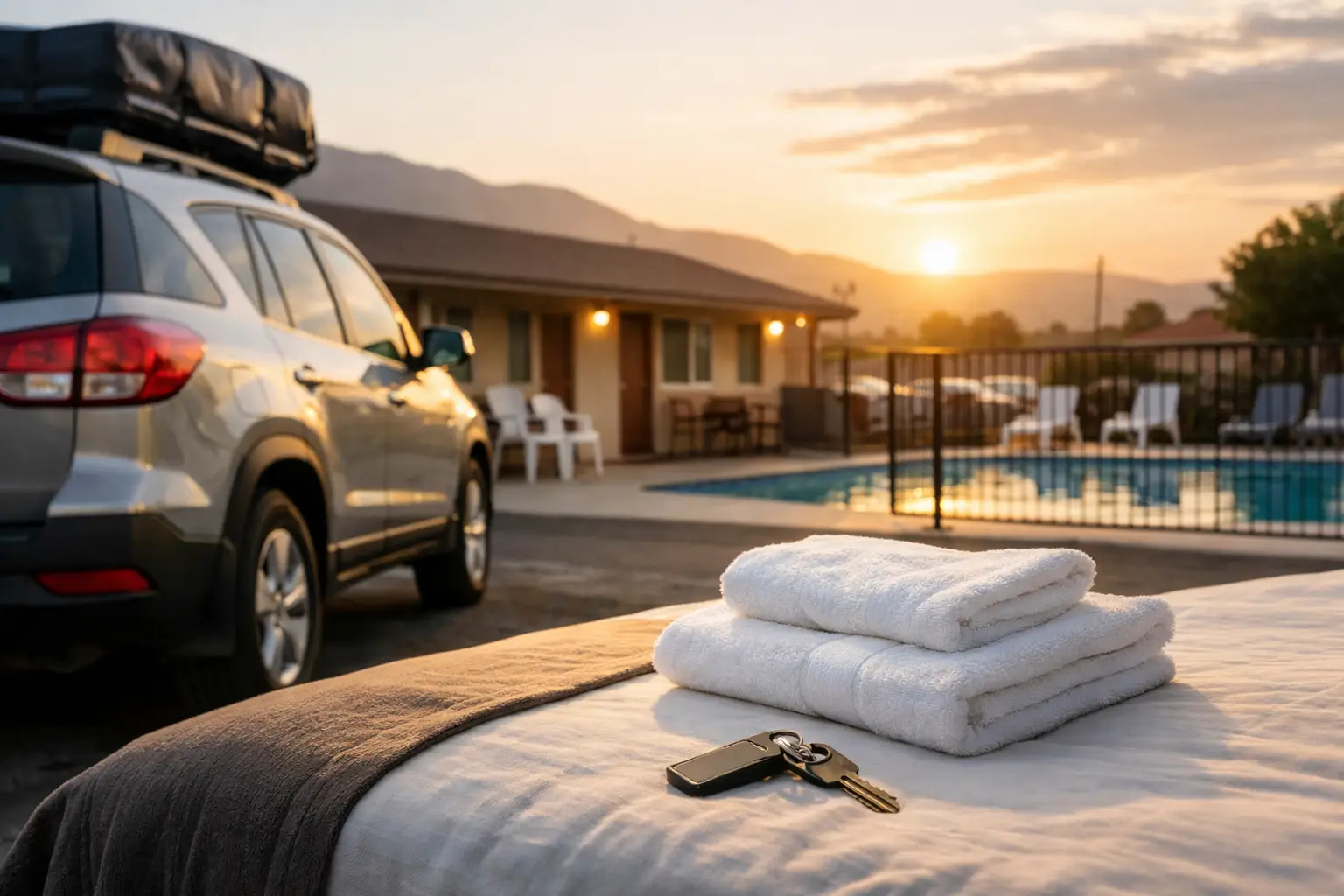
A long day behind the wheel changes what “a good deal” means. You are not looking for fancy lobby coffee or a complicated check-in process. You need a clean place close to the highway, a real shower, a comfortable bed, room to park, and enough quiet to wake up ready for the next stretch of road.
Affordable lodging for road trips should make the stop easier, not add another chore to your day. Whether you are heading across Georgia on I-16, traveling with kids and pets, or pulling an RV, the best overnight option is the one that fits your route, your group, and your budget without making you give up the basics.
What Affordable Actually Means on a Road Trip
The lowest nightly price is not always the least expensive stay. A room that is far off your route can cost you time and fuel. A cramped space may mean ordering takeout because there is nowhere to keep food cold or heat up a simple meal. A property with extra fees, limited parking, or a difficult late arrival can turn a bargain into a headache.
For most travelers, affordable means getting what you need in one straightforward stop: convenient interstate access, a private place to sleep, reliable essentials, and a rate that leaves room in the travel budget for fuel, meals, and the unexpected.
That is why it helps to compare stays by the full picture instead of the room rate alone. Think about how many people are traveling, whether you have a pet, how long you plan to stay, and whether having a refrigerator or microwave will save money on the road. If you are in an RV, hookups and easy site access matter just as much as the monthly or nightly price.
Choose the Stay That Matches Your Travel Day
Road trips do not all look alike. A couple driving through for one night has different needs than a family splitting up a multi-day drive. A mobile worker may need a quieter place for several days, while an RV traveler may be looking for a dependable monthly site.
For overnight highway travelers
If you will be back on the road early, location matters. Staying near an interstate exit keeps the stop quick and cuts down on unfamiliar back roads after dark. Ground-floor accommodations are also practical when you are carrying coolers, luggage, pet supplies, or a sleeping child. No stairs, long indoor hallways, or crowded parking lots means less hassle at the end of the day.
Look for the everyday items that make an overnight stay feel settled: beds, a private shower, television, refrigerator, and microwave. These are simple things, but they let you unpack a few essentials, store tomorrow’s snacks, and have a quiet evening without spending more than you planned.
For families and small groups
Families often save money by choosing space wisely rather than reserving the cheapest room available. A tiny home, cabin, or duplex-style unit can give people more privacy than a standard roadside room while keeping everyone together. It also gives you a place to set down bags, manage bedtime, and make a quick breakfast before departure.
Kitchen-equipped accommodations can be especially helpful on longer trips. It depends on your schedule, of course. If you are only sleeping for six hours and leaving before sunrise, a microwave and refrigerator may be plenty. But if you are staying two nights or traveling with children, a full kitchen can help you avoid several restaurant meals.
For pet owners
Traveling with a pet should not mean settling for a stressful stop. Before booking, confirm that pets are welcome and ask about any applicable pet fee. Ground-floor lodging is a plus when a dog needs a quick walk after a long ride, and a quieter retreat-style setting can be easier on pets than a busy corridor or a packed hotel parking lot.
Bring your pet’s usual food, water bowl, leash, and bedding. Familiar routines go a long way toward helping everybody rest. It is also worth planning one final walk before bed, so the morning can start smoothly.
For RV travelers and extended stays
An RV site is more than a parking spot. For a comfortable stay, travelers need water, sewer service, and the right electrical connection for their rig. Full-hookup sites with 30/50-amp power take the uncertainty out of stopping for a night or staying for a month.
Monthly stays require a slightly different calculation. Ask what the site rate includes and how electricity is handled. Consider access in and out, the general quiet of the property, and how easily you can get back to the highway. A site that works well for one night may not be the right fit for several weeks, so a direct conversation before arrival is often the best way to get clear answers.
Ways to Keep Road-Trip Lodging Costs Down
Saving on lodging does not have to mean giving up comfort. The most reliable savings usually come from planning around your actual travel habits.
First, avoid booking far more space than your group needs, but do not squeeze everyone into a room that makes the night miserable. A couple may be perfectly comfortable in a compact unit. A family may spend less overall in a larger cabin with a refrigerator and microwave than in two separate hotel rooms plus restaurant meals.
Second, build food storage into your plan. A small cooler works, but an in-room refrigerator gives you a place for drinks, breakfast items, leftovers, and road snacks. Pair it with a microwave, and you can handle an easy meal without another stop. Those small choices add up over several travel days.
Third, book directly when you need specific answers. Online listings can be useful for a quick overview, but a direct call is better when you need to confirm pet accommodations, RV hookup details, unit capacity, late arrival expectations, or an extended-stay rate. It also helps you avoid choosing a room type that does not match your group.
Finally, value a quiet night. Driving tired is expensive in ways that do not show up on a receipt. A restful place to stop can help you leave earlier, make better decisions, and avoid the temptation to push too far down the road just because your last stop was not comfortable.
What to Ask Before You Book
A few plain questions can prevent surprises. Ask how close the property is to your route, what is included in the rate, and whether the unit is ground floor. Confirm the number of guests allowed, the available beds, and whether there is a refrigerator and microwave. If you need a kitchen, ask specifically, since amenities can vary by cabin or unit.
Pet owners should confirm the pet policy before arriving. RV travelers should ask about 30/50-amp service, water, sewer, site availability, and electric charges for longer stays. If you are arriving late, ask how booking and check-in work so you can pull in with a plan instead of searching for answers after dark.
These questions are not fussy. They are how practical travelers make sure the rate they see is the stay they actually need.
A Comfortable Stop Near I-16
For travelers passing through Dublin, Georgia, Rusty’s Retreat offers a straightforward alternative to a standard roadside hotel less than a mile from I-16 Exit 51. Ground-floor tiny homes, cabins, duplex units, and full-hookup RV sites give travelers choices based on how they are traveling. The setting is designed for stopping, staying, and unwinding, whether you need one quiet night or a longer place to settle in.
The right stop does not need to be complicated. Choose the space that fits your people, your pets, or your RV, confirm the basics before you arrive, and give yourself a real chance to rest before the road calls again.