
Best Lodging for Road Workers Near I-16
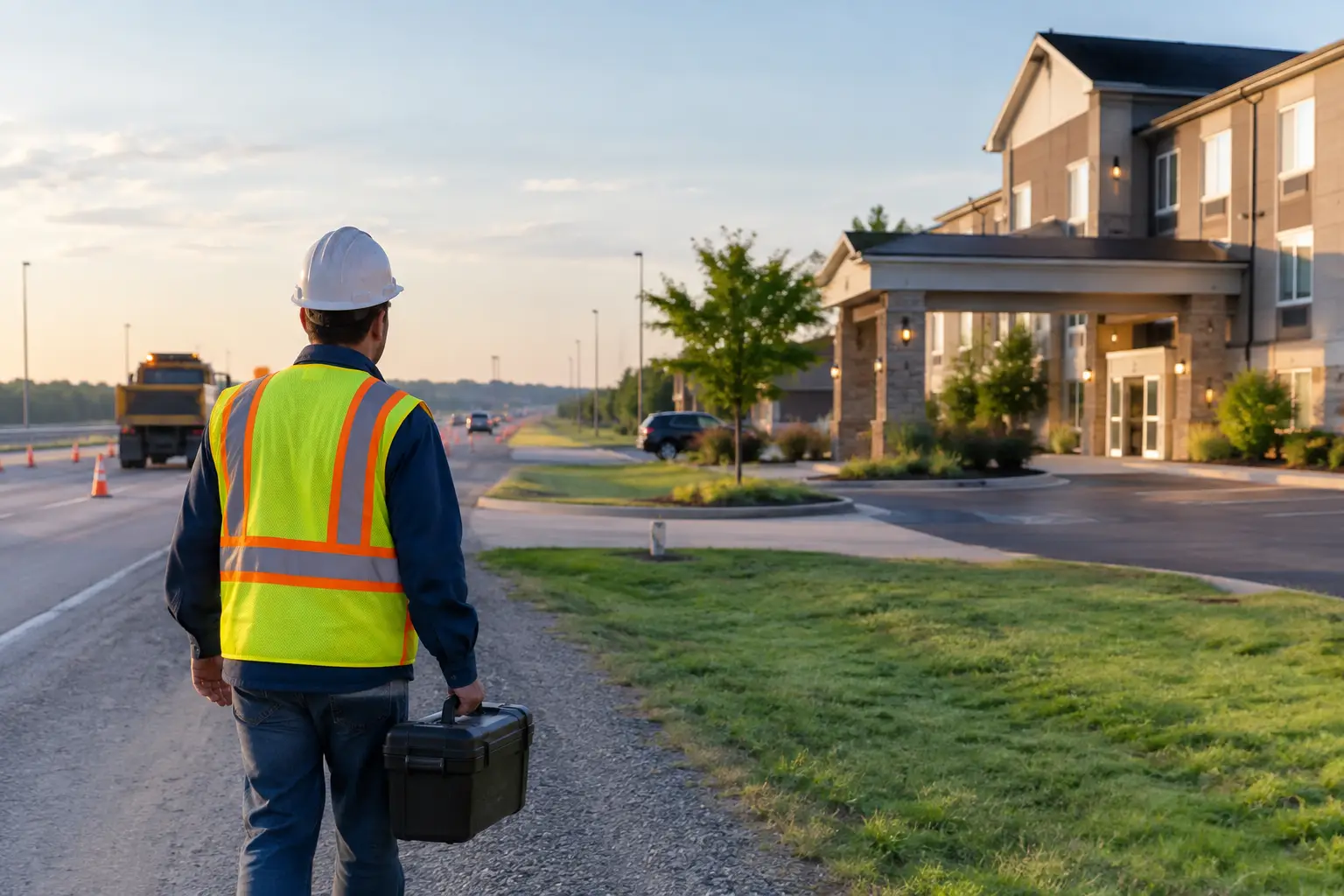
A road crew can put in a long day before most travelers have finished breakfast. After hours around traffic, equipment, heat, noise, or a job site that keeps moving, the best lodging for road workers is not about fancy extras. It is about getting off the highway quickly, parking without a hassle, cleaning up, eating something warm, and getting real sleep before the next shift.
For workers traveling through or working near Dublin, Georgia, a practical place to stay should make the end of the day easier, not add another set of problems. The right fit depends on whether you are staying one night, bringing a crew, traveling with an RV, or settling in for a longer job. A few details make a bigger difference than they may seem when you are tired.
What the Best Lodging for Road Workers Should Offer
Road work, utility work, paving, hauling, and construction schedules are not always predictable. A good lodging choice needs to work with that reality. Fast interstate access matters because time spent winding through unfamiliar streets is time taken from rest. A location near I-16 can help crews get moving in the morning and get back in at night without a long detour.
Ground-floor access is another practical advantage. Workers often carry coolers, bags, work boots, and supplies. Nobody wants to drag all of that up a stairwell after a full shift. A ground-floor room, cabin, or tiny home keeps arrival and departure simple, especially when the weather is bad or the crew is coming in at different times.
The basics should be dependable: a comfortable bed, a private shower, a refrigerator, a microwave, and a television. These are not small conveniences for a working traveler. They let you keep drinks and food on hand, heat up dinner, take a proper shower, and settle down without needing to head back out.
Stay Close to the Route, Not in the Middle of the Noise
There is a difference between being convenient to the highway and being stuck in a loud, crowded parking lot. Road workers need access, but they also need a place where they can rest. A quieter property can make the difference between tossing and turning and waking up ready for another demanding day.
Look for lodging less than a mile from I-16 Exit 51, where getting on and off the interstate is straightforward but the room is not part of a busy hotel corridor. A retreat-style setting gives workers more breathing room at the end of the day. It is a simple benefit, but it matters when early alarms, long drives, and physical work are part of the routine.
Privacy is worth considering, too. A cabin, tiny home, or duplex unit can feel less crowded than a standard hotel layout. You can come and go without passing through a busy lobby, hearing doors slam down a hallway, or wondering who will be next door late at night.
Pick the Right Setup for Your Crew and Schedule
The best accommodation is not always the biggest room or the lowest nightly rate. It is the one that fits how you are actually traveling. A solo worker on a two-night assignment may only need a clean private room with a shower, refrigerator, and microwave. A pair of coworkers may be better off in a unit with enough sleeping space to avoid paying for separate rooms.
For a longer project, having more room to settle in can be a smart move. Selected cabins with a full kitchen and dishwasher can be especially useful when eating out every night stops making sense. Being able to cook a simple meal, store groceries, and handle dishes gives a longer stay a more comfortable rhythm. It can also help keep daily costs from creeping up.
Before booking, think through the details that affect your stay:
- How many people are sleeping in the unit, and what bed setup will work?
- Will you need a refrigerator and microwave only, or would a full kitchen help?
- Are you arriving for one night, several days, or the length of a project?
- Do you need room for a pet or an RV?
These questions are worth answering before the crew is already on the road. A quick direct call is often the easiest way to make sure the lodging matches the job schedule and number of guests.
RV Sites Can Be a Better Fit for Extended Work
Many road workers and traveling contractors prefer to stay in their own RV. It gives them a familiar space, more control over meals, and a comfortable place to return to after work. For an extended assignment, an RV site can also be a sensible alternative to moving from hotel to hotel.
A full-hookup site should provide the practical connections needed for a real stay: water, sewer, and 30/50-amp electrical service. Monthly RV stays can work well for workers who are assigned to a local project and want to stay put rather than repeatedly pack up and search for new lodging.
The trade-off is that RV living requires more advance planning. You will want to confirm site availability, the length of your stay, electrical arrangements, and whether the site works for your rig. But for workers who already travel with an RV, the convenience of having your own bed, kitchen, and belongings in one place can be hard to beat.
Direct Booking Helps When the Job Changes
Work plans change. Weather delays a paving schedule. A job runs longer than expected. A crew gets sent to a different section of the route. Online booking systems can be useful, but they do not always handle real-world changes well.
Direct-call booking is often a better option when you need answers quickly. You can ask about available units, occupancy, RV spaces, pet arrangements, and whether an extended stay is possible. Instead of sorting through generic room labels, you can speak with someone who knows the property and can help point you toward a practical option.
That personal approach matters most when you are booking for more than yourself. If a foreman or crew lead is coordinating lodging, clear communication can prevent costly mix-ups. Confirm the number of guests, the arrival date, the expected length of stay, and what amenities the crew will need. It takes a few minutes and can save a lot of frustration later.
Do Not Overlook the Small Comforts
After a demanding shift, small comforts stop feeling small. A hot shower helps. A cold drink from the refrigerator helps. A microwave meal or leftovers can save a late-night drive. A television gives you something simple to do while your body settles down for the night.
Pet-friendly lodging can also matter for workers who travel with a dog instead of leaving one behind for a long assignment. The key is to check the pet policy and fees ahead of time so there are no surprises at arrival. The same goes for occupancy limits. Affordable lodging is only a good value if the unit works comfortably and within the property’s guidelines.
At Rusty’s Retreat, workers can choose from affordable ground-floor tiny homes, cabins, duplex units, and full-hookup RV sites close to I-16. The focus is simple: give travelers a quiet, practical place to stop, stay, and unwind without making the booking process harder than it needs to be.
A Better Stop Starts With a Practical Plan
When comparing lodging near a road project, start with the things that will affect every day: interstate access, sleep, shower space, food storage, parking, and the ability to stay as long as the job requires. Price matters, but so does avoiding the extra fuel, noise, stairs, and inconvenience that can wear a crew down over several nights.
A place that is easy to reach and easy to live in gives workers more than a room for the night. It gives them a reliable reset between shifts. Call ahead, tell the property what your crew needs, and choose the stop that lets everyone wake up ready to get back to work.