
Tiny Homes vs Duplex Units: Which Fits Best?
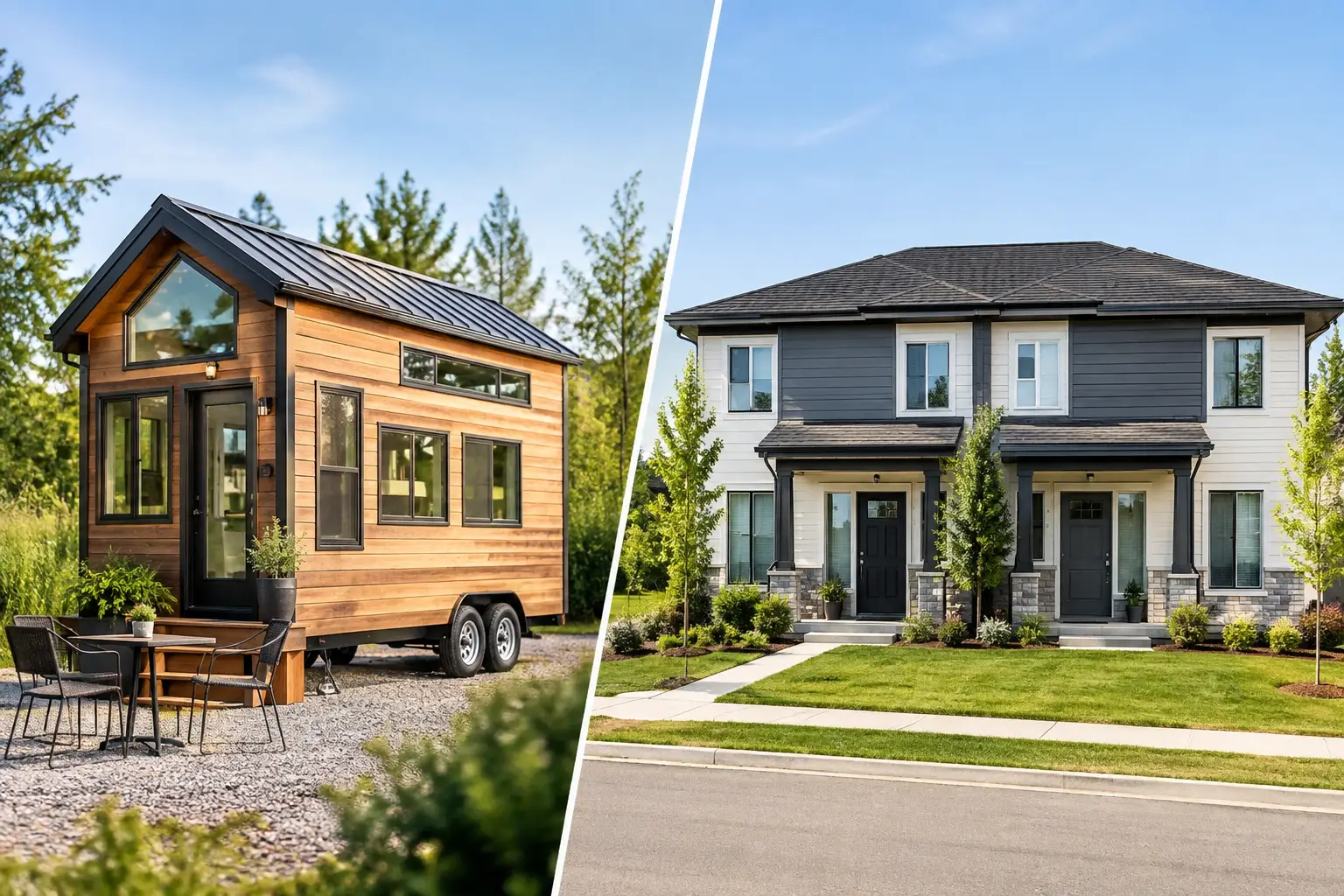
A late arrival off I-16 usually comes down to a simple question: how much room do you need to rest well tonight? When comparing tiny homes vs duplex units, the right answer depends less on what looks best in a photo and more on who is traveling, how long you are staying, and how you plan to use the space.
Both options offer a more private, ground-floor alternative to a typical roadside hotel room. They can work well for travelers who want a bed, shower, refrigerator, microwave, television, and a quieter place to settle in. But a tiny home and a duplex unit do not solve the same problem. One is built around compact independence. The other usually gives you more room to spread out without moving into a large house or suite.
Tiny homes vs duplex units at a glance
Tiny homes make the most sense when a small, self-contained space is part of the appeal. They are a practical choice for solo travelers, couples, mobile workers, and buyers who want a compact unit with a clear purpose. The footprint is smaller, so everything is close at hand. After a long drive, that can be exactly what you want: park nearby, bring in your bag, take a shower, heat up dinner, and get some sleep.
Duplex units are often the better fit when people need a little more breathing room. A couple traveling with a child, a guest with a pet, or someone staying several nights may appreciate the added square footage and a layout that feels less compressed. Depending on the unit, a duplex can also make it easier to separate sleeping, relaxing, and work time.
Neither is automatically better. The best choice is the one that matches the way you actually travel or live.
Choose a tiny home when simplicity matters
A tiny home is designed to keep the basics close and useful. It is not trying to be a full-size house. That is the point. In a well-planned compact unit, you have a private place to sleep, bathe, store a few belongings, and prepare simple food without paying for rooms you will not use.
For an overnight stop, that efficiency can be a real advantage. Travelers coming off the highway are often tired, carrying only a few bags, and planning to leave early. A smaller space is easy to settle into and easy to leave behind the next morning. Ground-floor access also means no stairs, no long hotel hallway, and no hauling luggage through a crowded lobby.
Tiny homes can be a good fit for extended stays, too, but only when the guest is comfortable living with less. A person working remotely for a week may enjoy the quiet and privacy, especially if they spend much of the day out in the area. A couple staying for a month should think honestly about storage, cooking needs, laundry arrangements, and how much indoor time they expect.
For buyers, the appeal is similar. A tiny home can serve as a compact residence, a guest space, a travel-stop unit, or a practical addition to land where a full-size home is not needed. The smaller footprint may reduce furnishing needs and day-to-day upkeep. Still, buyers should check local zoning, utility connections, delivery requirements, financing options, and intended use before making a decision.
The trade-off with compact living
The biggest benefit of a tiny home is also its limit: there is less space. That may be no problem for one or two people with light luggage. It can feel tight when several people are sharing the unit, when bad weather keeps everyone inside, or when someone needs room for work equipment, pet supplies, or a longer wardrobe.
A tiny home works best when you value privacy and efficiency more than extra square footage. If you expect to use the unit mainly as a comfortable base between drives, work shifts, or local outings, it can be a smart, affordable choice.
Choose a duplex unit when room changes the stay
A duplex unit generally gives guests more flexibility. It can feel more like a small apartment or cabin arrangement than a single compact room. That extra room matters when you are traveling with family, sharing a stay with another adult, or simply want a place where one person can rest while another watches television, reads, or works.
For longer stays, space often becomes more valuable than people expect. A few additional feet can create room for luggage, groceries, pet crates, coolers, or a small work setup. It can also make a stay feel less temporary. Guests who are between homes, working a local job, visiting relatives, or staying in the Dublin area for several weeks may find that a duplex layout better supports normal routines.
Duplex units can also offer a practical middle ground for travelers who do not want a standard hotel room but do not need a large vacation rental. You get the privacy of your own entrance and a more relaxed setting, while keeping the stay straightforward and affordable.
The trade-off with a duplex
More space can come with a higher nightly or monthly cost, depending on the unit and its amenities. For a single overnight traveler, paying for a larger layout may not add much value. If you only need a clean bed, hot shower, and a place to warm up a meal, a compact unit may meet your needs just as well.
It also helps to remember what a duplex is and is not. A duplex is not necessarily a full house with unlimited storage, multiple large living areas, or every amenity found in a long-term apartment. Ask about the specific unit before booking or buying. Bed setup, kitchen features, occupancy limits, and pet arrangements can vary.
Compare the details that affect your comfort
Price gets attention first, and it should. But the lowest rate is not always the best value if the layout does not work for your group. A smaller unit may be the better deal for one person. A duplex may offer stronger value for two or more guests who would otherwise need separate rooms.
Guest count is the next practical question. Consider not only how many people will sleep there, but also how they will move around during the morning and evening. Two adults who travel light may be comfortable in a tiny home. Add children, a large dog, or work gear, and a duplex may make the stay much easier.
Kitchen needs matter as well. A refrigerator and microwave are enough for many short stays. For longer visits, a fuller kitchen can make a noticeable difference in food costs and daily comfort. If cooking is important to you, confirm the exact setup. Some cabin-style accommodations may include more kitchen equipment, while others are designed for simple meals.
Privacy is another reason travelers choose these units over a busy hotel. A private entrance and ground-floor setup can make arrivals easier, especially after dark or with pets. Still, a quiet setting does not mean every unit has the same distance from neighboring guests. If privacy is your top priority, ask which available option fits that need best.
A good fit for road travelers and longer stays
For a quick stop near I-16 Exit 51, the choice can be simple. A tiny home is often a comfortable, efficient landing spot for a solo traveler or couple. A duplex unit may be the better call for families, pet owners, or anyone who wants more room after a full day on the road.
For an extended stay, think one week beyond your planned departure date. If you had to stay longer, would the space still work? That question usually makes the answer clearer. A tiny home can be peaceful and practical for a person who likes a simpler setup. A duplex can make more sense when daily routines, shared space, and storage are likely to matter.
At Rusty’s Retreat, the goal is not to push every traveler into the same kind of unit. It is to help people find a quiet, practical place to stop, stay, and unwind without making the decision harder than it needs to be.
Before you choose, ask a few direct questions
Before booking a stay or discussing a purchase, confirm the sleeping arrangement, maximum occupancy, kitchen features, pet policy, parking, and current rate. For extended stays, also ask about monthly terms, utility costs where applicable, and what is included with the unit. Clear answers up front help avoid surprises after you arrive.
The right space should make your trip feel easier. If compact, private, and simple sounds like a relief, a tiny home may be the fit. If a little extra room would help everyone rest better, a duplex unit is likely worth considering.