
Are Cabins Private? What to Check Before You Stay
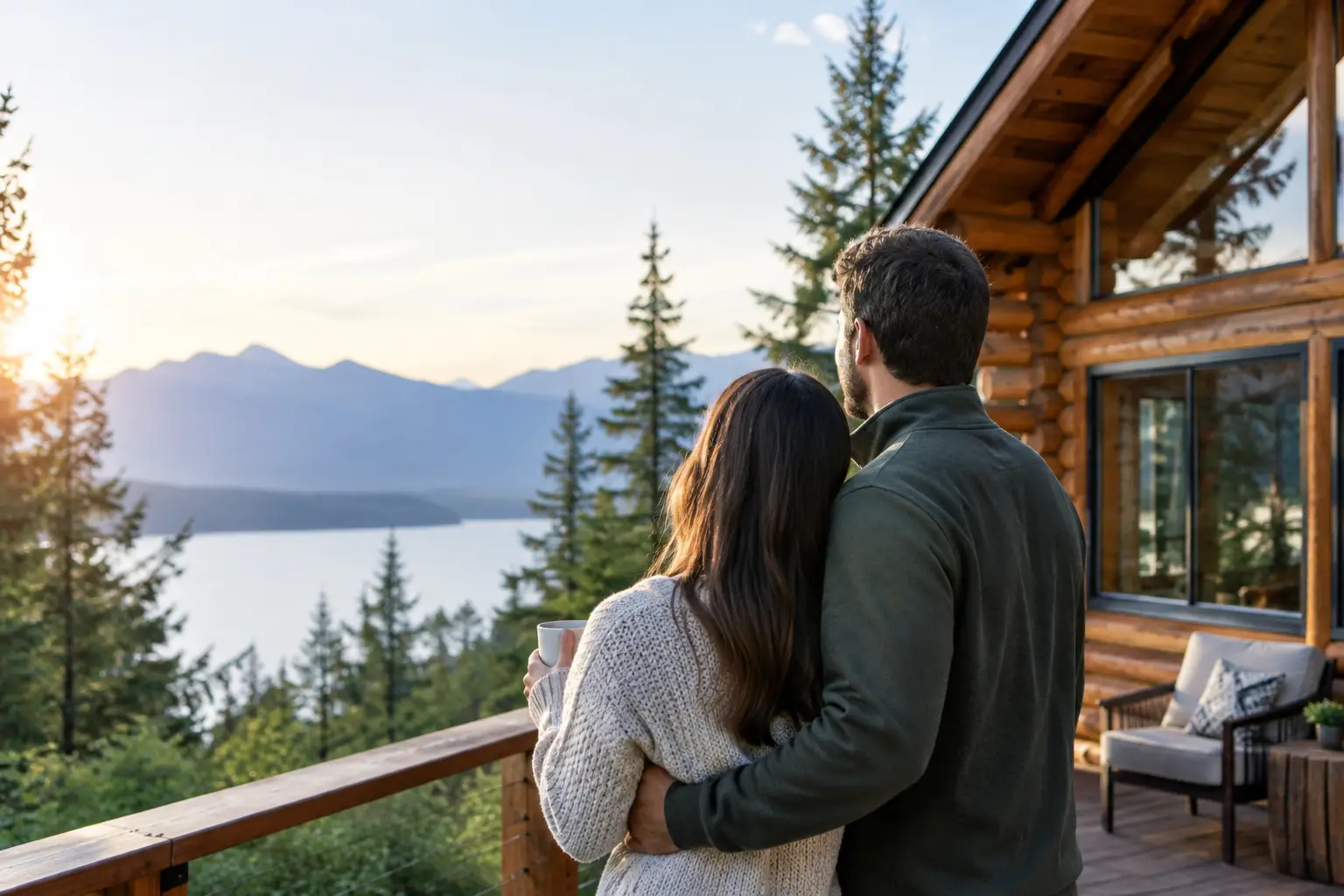
A late-day stop off the highway should feel like a break, not another crowded place to manage. So, are cabins private? Usually, they offer more personal space than a standard hotel room, but the real answer depends on the property layout, the cabin type, and what you mean by private.
For some travelers, privacy means having no shared interior walls. For others, it means parking close to the door, skipping busy hallways, letting the dog out without crossing a lobby, or simply being able to settle in without hearing the room next door. Before you book, it helps to know what to look for.
Are Cabins Private Compared With Hotels?
Cabins are often more private than a typical roadside hotel because they are commonly ground-level units with their own entrances. Instead of walking through a shared corridor or waiting on an elevator, you pull in, bring your bags inside, and close your own door. That makes a real difference after a long drive, especially for families, couples, pet owners, and travelers working odd hours.
Still, “cabin” is a broad word. One property may have detached cabins spread out across the grounds. Another may have duplex-style units, where two separate accommodations share one building. Both can provide a quiet, self-contained stay, but they do not offer the same level of sound separation or outdoor space.
A cabin can also be close to other cabins, RV sites, a parking area, or a main road. That is not automatically a problem. Many travelers want the convenience of being near I-16 and close to their vehicle. The key is knowing whether you want easy access, maximum quiet, or a little of both.
What “Private” Usually Means at a Cabin Stay
Privacy has a few practical parts. A good cabin stay may give you a private sleeping area, bathroom, entrance, and the ability to come and go without passing through a shared indoor space. In many cases, you will also have nearby parking and more room around your door than you would at a multi-story hotel.
That does not necessarily mean total isolation. You may see other guests outside, hear a vehicle arriving, or have a neighboring unit nearby. Roadside lodging is meant to be convenient, and a well-kept property can be both accessible and peaceful without being miles from everything.
If total seclusion is your priority, ask whether the unit is detached, how close the neighboring accommodations are, and whether there is a private porch, yard, or outdoor sitting area. If your priority is a comfortable overnight stop, a cabin with its own entrance and no interior hallway may be all the privacy you need.
Detached Cabins, Duplexes, and Tiny Homes
The building style matters more than the label. A detached cabin is generally the best choice for guests who want the most separation from other travelers. With no shared wall, there is less chance of hearing normal conversations, televisions, or doors closing next door.
A duplex unit has two separate accommodations under one roof. Each side should have its own entrance and living space, but the units may share a wall. For many guests, this is still a comfortable and private setup. It can be a practical choice for an affordable stop, particularly when you are just looking for a clean, quiet place to sleep, shower, and get back on the road.
Tiny homes can feel especially private because the whole small space is yours during your stay. They are a good fit for travelers who prefer a home-like layout over a traditional motel room. Depending on the unit, you may have basics such as beds, a shower, television, refrigerator, and microwave, with select cabins offering a full kitchen and dishwasher.
Questions Worth Asking Before You Book
A quick call can clear up more than a listing photo ever will. Ask whether the accommodation is detached or shares a wall, whether parking is directly beside or near the unit, and what outdoor space is available. If you are traveling with a pet, ask where pets can be walked and whether there are any property rules that affect your routine.
It also makes sense to ask about the unit’s location on the property. A cabin near the entrance may be easiest to reach when you arrive late, while one set farther back may feel quieter. Neither is better for every guest. The right choice depends on whether you value quick in-and-out access or a little more distance from the drive.
For a longer stay, ask about storage, kitchen setup, laundry access if available, and how close you will be to other long-term guests or RV sites. A place that works perfectly for one night may not be the same place you want for several weeks. Clear details upfront help you choose comfortably.
Privacy for Families, Pets, and Mobile Workers
Families often appreciate cabins because there is less hallway traffic and more control over the bedtime routine. You can unload the car close by, get everyone inside, and avoid carrying tired children through a lobby. A refrigerator and microwave also make simple meals and snacks easier when restaurant stops are the last thing anyone wants.
Pet owners tend to value the private-entry setup for the same reason. A quick trip outside is usually simpler when you are not navigating common indoor areas. Of course, pets still need to be kept under control and cleaned up after, but a cabin setting can make travel days less stressful for both people and animals.
Mobile workers may define privacy differently. They may need a quiet place to take a call, answer email, or rest before an early shift. In that case, ask about the unit type and the surrounding activity. A private entrance and a comfortable indoor setup can be more useful than a large common area you will not use.
Quiet Is Not the Same as Isolated
A quiet cabin property is not necessarily silent. You may hear the normal sounds of people traveling: a car door closing, a family getting settled, an RV arriving, or traffic in the distance. The goal is reasonable peace and a place where you can unwind, not a promise that no other person exists nearby.
The trade-off is convenience. A cabin near the interstate makes it easier to stop, sleep, and get moving again without a long detour. For travelers passing through Dublin, Georgia, that can be the better kind of privacy: your own space, your own door, and no need to deal with crowded corridors or stairs after a full day behind the wheel.
Rusty’s Retreat is set up for travelers who want that practical middle ground. The accommodations are ground-floor, with straightforward access and a retreat-style setting less than a mile from I-16 Exit 51. It is built around making a stop feel easy, whether you are staying overnight, bringing a pet, or settling into an RV site for longer.
How to Choose the Right Cabin for Your Stay
Start with the reason for your trip. A couple on a one-night drive may be happiest with a simple, affordable cabin that has a private entrance, shower, bed, television, refrigerator, and microwave. A family may need more sleeping space and a kitchen setup. Someone staying for work may prefer the unit that is farthest from shared activity, even if it costs a little more or requires a short walk to the parking area.
Then think about your non-negotiables. If shared walls are a concern, ask for a detached unit. If you need to park close to the door, say so when you call. If you are bringing a pet, confirm the pet policy and choose a space that makes outdoor breaks manageable. Direct booking is useful here because you can describe what you need instead of guessing from a generic room label.
Photos and amenity lists are helpful, but they cannot always tell you how a place feels at 9 p.m. after several hours on the road. A simple conversation with the property can help match you with the right unit and avoid surprises when you arrive.
The best cabin is not always the one farthest from everyone else. It is the one that gives you enough room to park, settle in, sleep well, and leave rested for the next stretch of road. When you call ahead and ask a few plain questions, you can choose a stay that feels like your own place for the night.