
Are Pets Allowed in Cabins? What to Ask First
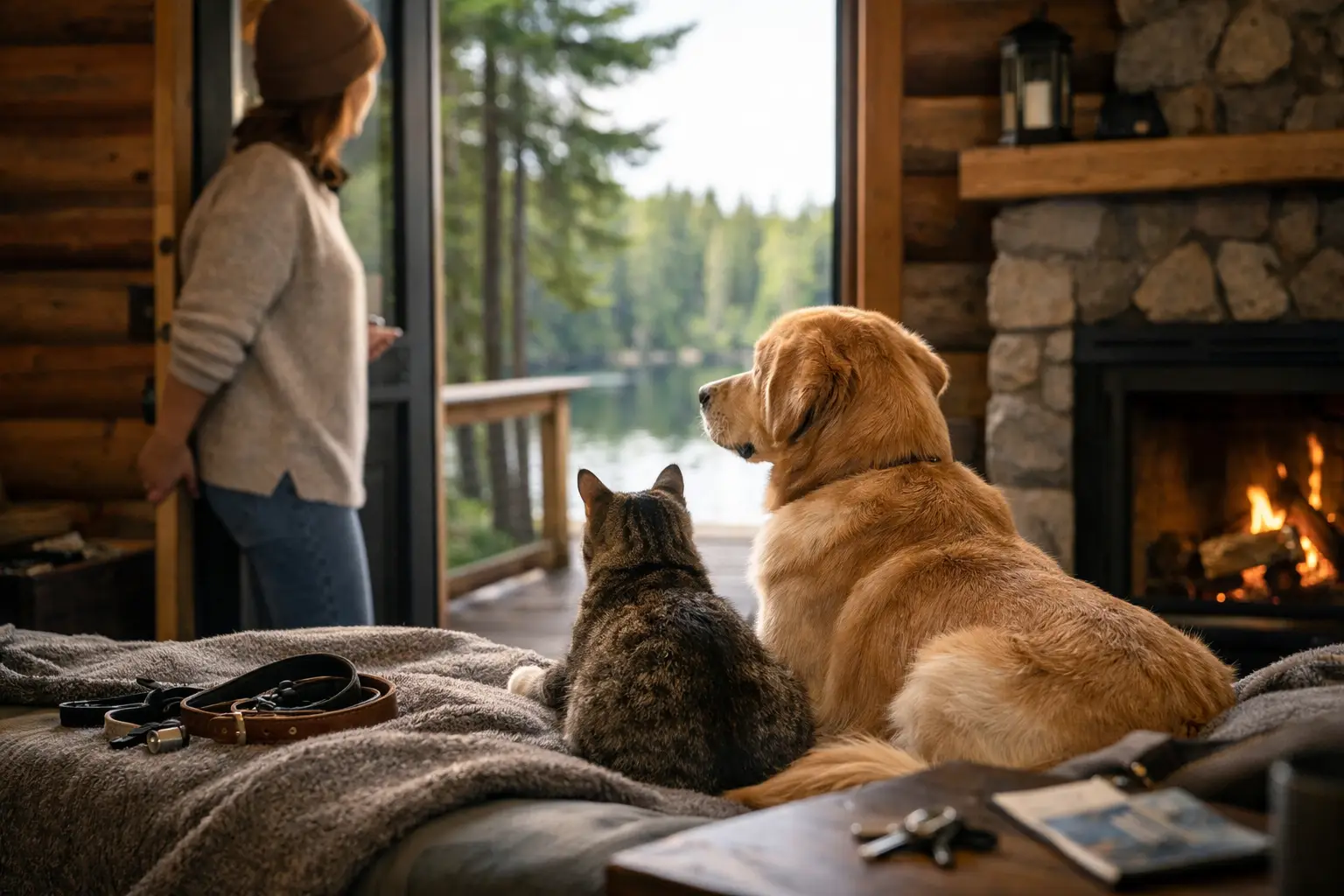
A tired dog in the back seat can make the answer to “are pets allowed in cabins” the deciding factor in where you stop for the night. After hours on I-16, most travelers are not looking for fine print or a long walk through a hotel hallway. They need a clean, comfortable place where the whole traveling party can settle in, including the four-legged members.
The short answer is that many cabins do allow pets, but every property sets its own rules. A pet-friendly stay may come with a fee, limits on the number or type of animals, and expectations for how pets are supervised. Asking a few clear questions before you arrive helps avoid surprises at check-in and makes the stop easier for everyone.
Are Pets Allowed in Cabins? It Depends on the Property
“Pet-friendly” does not always mean the same thing from one cabin to the next. One property may welcome dogs and cats of all sizes, while another may accept only small dogs, limit guests to one pet, or allow pets only in certain units. Some cabins are designed with hard floors and easy outdoor access, which can be especially practical when traveling with an animal.
The cabin itself matters, too. A private ground-floor unit is often simpler than a standard hotel room when you need to take your dog outside, unload a crate, or keep food and supplies handy. At a quiet roadside stay, you can settle in without the busy corridors, elevators, and stairs that can make an overnight stop stressful for pets and people alike.
Before booking, call and ask whether your preferred cabin is pet-friendly on your travel dates. Availability can vary, especially if only selected cabins are set aside for guests with pets. A direct conversation is also the best time to explain whether you are traveling with a large dog, two pets, a cat in a carrier, or anything else that may affect the reservation.
Questions to Ask Before Booking a Pet-Friendly Cabin
You do not need a complicated checklist, but a few details are worth confirming before you pull off the highway. Start with the pet fee. Some places charge a flat amount per stay, while others charge by the night or by the pet. Knowing the cost upfront helps you compare lodging honestly, not just by the advertised nightly rate.
Ask whether there is a pet limit, a weight limit, or breed restrictions. These policies are not always about judging an animal. They may reflect the size of the cabin, insurance requirements, or the needs of other guests staying nearby. If your pet is outside the usual limit, it is still worth asking. A property may be able to help when it knows what to expect.
Find out whether pets can be left alone in the cabin. Many lodging properties ask guests not to leave pets unattended, particularly if an animal may bark, scratch at a door, or become anxious in an unfamiliar place. If you need to go out for dinner or handle an errand, ask whether a crate is required or whether there are other options.
It also helps to ask about outdoor space. Is there a convenient place to walk your dog? Are pets required to remain leashed? Is there an area where you can take a quick late-night potty break without crossing a large parking lot? For travelers making a one-night stop, those practical details can matter more than fancy extras.
What Responsible Pet Travel Looks Like
A good pet-friendly cabin stay works both ways. The property gives your pet a place to rest, and you help keep the unit comfortable for the next guest. That starts before you arrive. Bring a leash, waste bags, food, water, medication, a bowl, and a familiar blanket or bed. Familiar smells can help a pet settle more quickly in a new room.
When you check in, give your dog a few minutes to sniff around while you keep a close eye on them. Check for anything within reach that they might chew or knock over, then set up their bed in a calm corner. If your pet tends to shed, placing a blanket over furniture can make cleanup easier. If they are crate-trained, bringing the crate can provide a secure place to rest.
Keep barking and other noise in mind, especially later in the evening. Travelers often choose cabins because they want a quiet break from the road. A short walk, a drink of water, and a little time to decompress before bedtime can make a big difference for a restless dog.
Always clean up after your pet outdoors and let the property know right away if an accident or damage occurs. Nobody plans for those moments, but handling them promptly is the considerate thing to do. It also helps pet-friendly accommodations remain available for future guests.
Choosing the Right Cabin for Your Travel Party
The best cabin is not necessarily the biggest or most expensive one. It is the one that fits your group, your pet, and the kind of stop you need. For a quick overnight stay, easy parking near the door and ground-floor access can be more useful than extra space. For a longer stay, a refrigerator, microwave, and kitchen setup may make traveling with pet food and supplies much easier.
Consider your pet’s temperament as well. A calm older dog may be comfortable in a compact cabin near other guests. A young, energetic dog may need more frequent walks and a little more room to settle. Cats can travel well, too, but they often do best when their carrier, litter supplies, and food are set up in one quiet area away from the door.
If you are traveling with children, plan the room layout before you arrive. Decide where the pet will sleep, where food bowls will go, and how you will keep the doorway clear during unloading. A little organization means less scrambling after a long drive.
Why Cabin Stays Can Be Easier With Pets
For many highway travelers, cabins offer a practical middle ground between a traditional hotel and a full vacation rental. You get more privacy than a crowded lodging corridor, along with the basics you need to shower, eat, rest, and get back on the road. That setup can be a real relief when your pet is ready to be out of the car.
Ground-floor accommodations are especially helpful. There are no stairs to manage with bags, crates, tired kids, or an older dog. Direct access also makes those early-morning and late-night walks faster. When the goal is to stop, stay, and unwind, simple access can be one of the biggest comforts.
At Rusty’s Retreat near I-16 Exit 51 in Dublin, Georgia, pet-friendly accommodations make it easier for travelers to bring their companions along instead of changing plans at the last minute. Calling ahead is the fastest way to confirm the cabin that fits your group and get clear answers on current pet requirements.
A Few Details That Prevent Travel-Day Trouble
Bring proof of current vaccinations if you have it available, particularly for longer stays or if your pet will be around other animals. Make sure your pet’s collar has an ID tag with a working phone number, and keep a recent photo on your phone in the unlikely event you become separated.
Do not assume your pet can ride loose while you unload. New places bring new distractions: open vehicle doors, unfamiliar sounds, and other guests coming and going. A leash or carrier during arrival keeps the process calm. Once inside, take a quick look at the room, close the door fully, and give your pet time to adjust.
If your animal has a history of anxiety, pack what helps at home. That could be a crate cover, calming music at a low volume, a favorite toy, or a prescribed medication. A roadside overnight stay is easier when you plan for your pet’s normal routine rather than hoping they will adapt without support.
A pet-friendly cabin can turn a necessary overnight stop into a more comfortable pause in the trip. Call before you travel, be upfront about your pet, and pack for a clean, quiet stay. Then you can spend less time worrying about accommodations and more time getting everyone rested for the miles ahead.