
A Guide to Duplex Accommodations on the Road
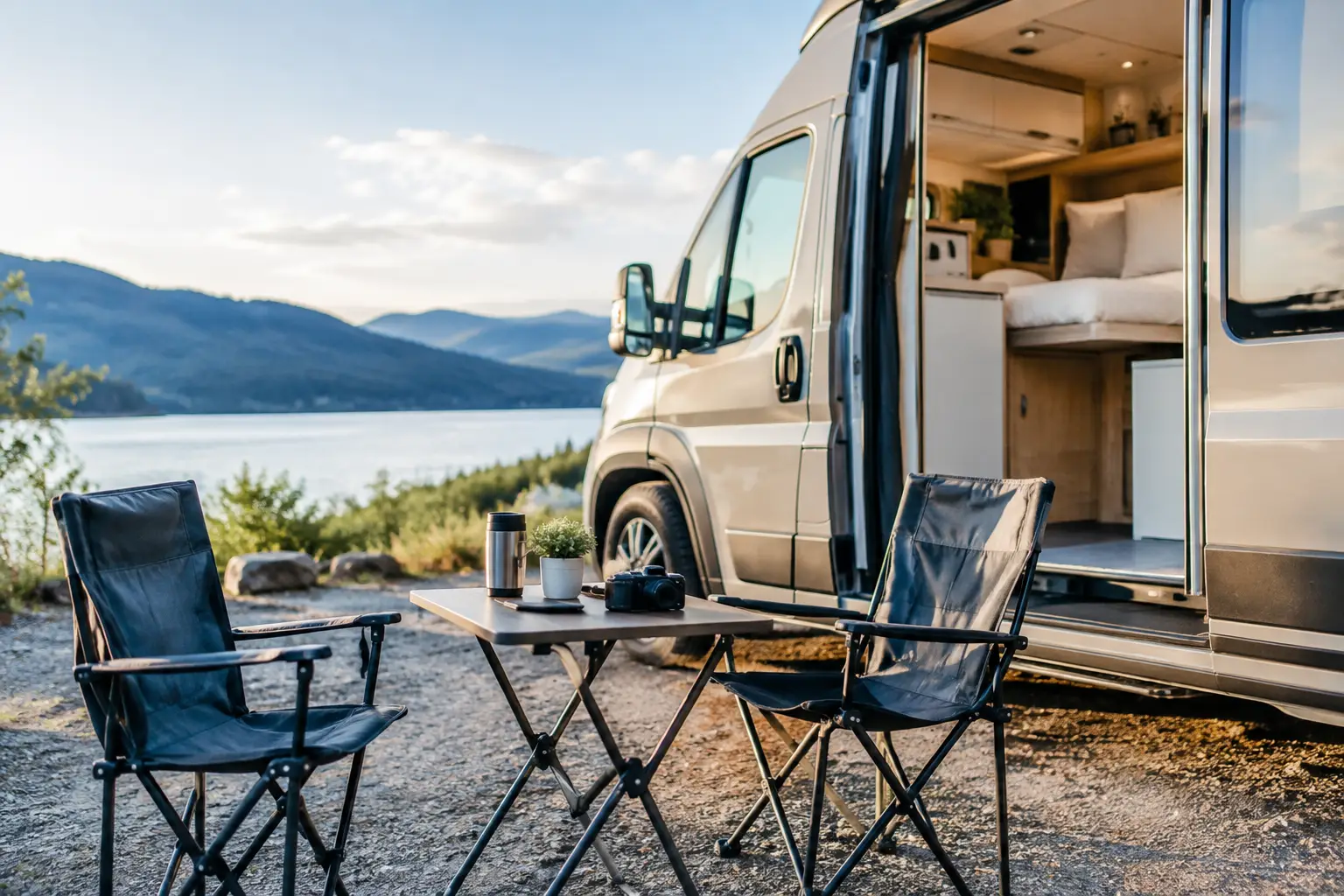
A long highway day changes what a good room looks like. You may not need a lobby, an elevator, or a long walk down a busy hall. You need a clean place to park, a private door, a real shower, a comfortable bed, and a little quiet before getting back on the road. This guide to duplex accommodations explains why this simple lodging style can be a smart fit for travelers, families, pet owners, and workers passing through Dublin, Georgia.
What Is a Duplex Accommodation?
A duplex accommodation is one of two separate living units within the same building. Each side typically has its own entrance, sleeping area, bathroom, and basic in-room comforts. You share a wall with another unit, but you do not share your room, bathroom, or entryway.
For a traveler, that setup often feels more private than a traditional roadside hotel. Instead of doors lining a long corridor, you can pull up, bring in your bags, settle down, and get some rest. It is a practical middle ground between a standard motel room and renting a full house.
The exact layout varies by property. Some duplex units are arranged more like compact cabins, while others have more room to spread out. Before booking, ask about the bed setup, guest limit, parking, pet policy, and whether the unit includes a refrigerator, microwave, television, or kitchen features. A quick call can save you from guessing after a long drive.
Why Choose Duplex Accommodations for a Road Trip?
The biggest advantage is straightforward: a duplex gives you a more independent stay without making the trip complicated. For people traveling I-16, especially those who want to get off near Exit 51 and rest quickly, that matters.
More privacy than a busy hotel corridor
Hotel hallways can be noisy at the exact hours travelers are trying to sleep. Guests rolling luggage, doors closing, early departures, and people talking outside a room can wear on you. A duplex unit usually offers a more tucked-away feel, with a separate entrance and fewer people moving past your door.
That does not mean a duplex is completely silent. You may still have neighbors on the other side of the building, and sound levels depend on the property and the guests nearby. But compared with a crowded multi-floor hotel, the experience can feel calmer and more personal.
Easy ground-floor access
Ground-floor lodging is especially helpful when you are carrying coolers, work bags, pet supplies, or a sleeping child. There are no stairs to deal with and no elevator wait at the end of the day. You can park nearby, unload what you need, and get inside.
This also makes a difference for guests who simply prefer easier access. A roadside stop should not feel like a project. If no-stairs access is a priority, confirm the unit location when you book.
Space that works for real travel
Duplex accommodations are not meant to be fancy vacation homes. Their value is in being useful. A bed, private shower, refrigerator, microwave, and television can cover the needs of an overnight stay without paying for features you will not use.
For a couple, it can be a comfortable place to recharge. For a small family, the extra separation from a busy hotel setting can make bedtime easier. For a mobile worker, it can provide a quiet place to clean up, eat something simple, and prepare for the next day. The right choice depends on the number of guests and how long you plan to stay.
How to Pick the Right Duplex Unit
Start with the practical questions, not the photos. Pictures are useful, but a unit that looks good online is not necessarily the best fit for your trip. Think about how you will use the space from the minute you arrive until you leave.
First, confirm occupancy. A unit that works well for two adults may not be the right setup for three or four people. Ask how many beds are available, where they are located, and whether the property has a firm guest limit. It is better to choose the right-sized unit than try to make a small room work for a larger group.
Next, ask about the basics that affect a short stay. If you have leftovers, drinks, medicine, or food for the next day, a refrigerator matters. If you want to heat up dinner without going back out, a microwave matters. A television may be less important to some guests, but it can be welcome when weather delays your plans or children need a quiet wind-down before bed.
If you are staying several days, kitchen access may become the deciding factor. Some cabin-style accommodations offer fuller kitchen setups, while others are designed for simple overnight use. There is nothing wrong with either option. Just match the unit to your stay instead of assuming every room has the same features.
Parking is another detail worth checking. Highway travelers may be in a pickup, pulling a small trailer, driving a work vehicle, or traveling with an RV. Ask where to park and whether there is room to turn around easily. Good lodging should make your arrival easier, not add another tight parking situation after dark.
Traveling With Pets? Ask Before You Arrive
A pet-friendly stay can take a lot of pressure off a road trip. Your dog is part of the trip, and finding a place where pets are welcome means you do not have to scramble for a kennel or leave them in the vehicle.
Still, pet-friendly does not mean every detail is the same everywhere. Confirm the pet fee, number of pets allowed, size or breed rules if any, and expectations for leashes and cleanup. Ask whether there is a convenient spot for a short walk. Clear answers make for a better stay for you, your pet, and the next guest.
A duplex can be a comfortable option for pet owners because of its direct-entry setup. You can take your dog outside without walking through a lobby or elevator. Be considerate of the neighboring unit, especially early in the morning and late at night. A quiet retreat works best when everyone helps keep it that way.
Duplex Stays for Overnight and Extended Travel
For one night, a duplex unit can give you the basics with more breathing room than a typical hotel. It is a good choice when your goal is to stop, shower, sleep, and get moving again without a lot of hassle.
For a longer stay, look more closely at storage, food preparation, laundry needs, work needs, and weekly or monthly availability. A room that feels fine for one night may feel tight after a week. On the other hand, a simple unit can be a very good value for someone who spends most of the day working, visiting family, or traveling around the area.
Extended-stay guests should also consider whether an RV site makes more sense. If you already travel with your own living space, a full-hookup site with water, sewer, and 30/50-amp electrical service may be the better fit. If you want to leave the RV parked, take a break from it, or need a ready-to-use room, a duplex can be the easier answer. It depends on your routine, budget, and how much space you need.
Booking Without the Runaround
When you are traveling, the fastest way to find the right room is often to call directly. You can ask about availability, rates, occupancy, pets, and the amenities that matter to you. You also get a real answer about whether the unit fits your vehicle, your family, or your arrival time.
At Rusty’s Retreat, less than a mile from I-16 Exit 51 in Dublin, ground-floor lodging is built around travelers who want a straightforward stop and a quieter place to rest. Direct booking keeps the process simple: explain what you need, confirm the details, and get set up fast.
Before you call, have your arrival date, departure date, number of guests, pet details, and vehicle type ready. If you are arriving late, say so. If you need a refrigerator or a specific bed arrangement, mention it up front. Small details handled before arrival can make the difference between merely finding a room and finding a place that lets you truly rest.
The best roadside stay is not always the biggest building or the flashiest sign. Sometimes it is a private door, a quiet room, and an easy place to pull in when the road has been long.