
How to Choose Highway Lodging Without Guesswork
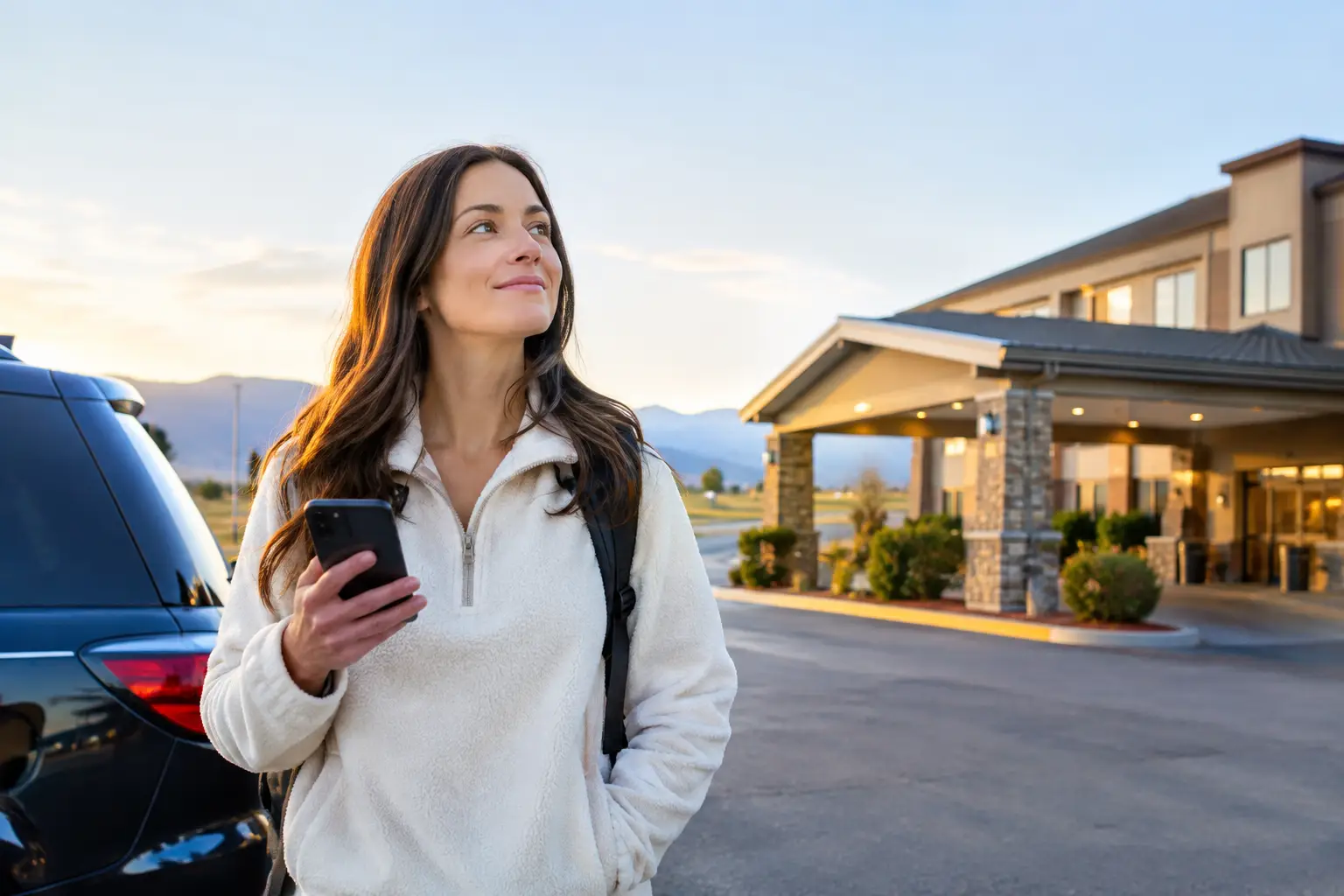
A long day on I-16 changes what “a place to sleep” really means. You may be tired, traveling with a dog, towing an RV, or trying to get everyone back on the road early. Knowing how to choose highway lodging helps you avoid a noisy, inconvenient stop and find a place where you can park, rest, shower, and move on without extra hassle.
The best choice is not always the biggest hotel sign at the next exit. For many travelers, a ground-floor cabin, tiny home, duplex unit, or full-hookup RV site offers more room to breathe and a quieter night than a busy lodging corridor. The right fit depends on your route, your budget, the people traveling with you, and whether this is one night or several weeks.
Start With the Exit, Not the Address
When you are covering miles, a lodging option can look close on a map but still add a frustrating detour. Check how far it is from your actual interstate exit, whether the route is easy to navigate after dark, and how quickly you can get back on the highway in the morning.
A property within a mile or so of the interstate can save time without putting you directly beside constant traffic and parking-lot noise. That balance matters. Right off the exit is convenient, but a short drive to a quieter setting can make the stop feel much more restful.
Also think about the vehicle you are driving. A family SUV has different needs than a truck pulling a camper. Ask about parking access, room to turn around, and whether your RV can reach its site without a tight or confusing approach. A quick phone call is often faster than trying to piece together those details from a listing.
How to Choose Highway Lodging for Real Rest
A low nightly rate is helpful, but it does not mean much if you spend the night hearing doors slam, traffic roll by, or neighbors pass your window. Look for lodging that gives you a little privacy and a calm place to settle down.
Ground-floor accommodations are especially useful after a travel day. There are no stairs to manage with tired kids, coolers, luggage, pet supplies, or a sore back. A private entrance can also make arrival and departure easier, especially if you are getting in late or leaving before sunrise.
Ask what the room or cabin includes. At a minimum, highway travelers usually need a clean bed, shower, refrigerator, microwave, and television. Those basics let you handle a simple meal, store drinks or medicine, and relax without making another trip out. If you are staying longer, a full kitchen can be worth paying a little more for. Being able to cook a meal and wash dishes makes several nights feel less like living out of a suitcase.
Quiet is not just about the building. Consider the setting, too. Lodging with some space between units may be a better match than a crowded parking lot if you are traveling with children, a pet, or simply want to turn in early.
Compare the Total Cost, Not Just the First Price
Travelers watching their budget should compare what is included before choosing the lowest number they see. A slightly higher rate may be the better value if it gives your group enough beds, a refrigerator and microwave, easy parking, or room for a pet.
Be clear about how many people are staying and what kind of unit you need. A couple may be comfortable in a smaller cabin, while a family needs separate sleeping space or a larger unit. Booking a room that is too small can turn an affordable stop into an uncomfortable one.
For RV travelers, the comparison is different. Confirm that the site has the hookups you need: water, sewer, and the correct electrical service for your rig, such as 30-amp or 50-amp power. If you are considering a monthly stay, ask how electricity is handled and what is included in the monthly site rate. Clear answers upfront prevent surprises later.
Fees deserve the same attention. Pet fees, extra-person charges, taxes, or utility costs can affect the final total. There is nothing wrong with fees when they are stated plainly. What matters is knowing the full cost before you pull in.
Make Pet-Friendly Mean Practical
“Pet-friendly” can mean very different things from one lodging property to another. Some places allow pets only in certain rooms, while others are more set up for travelers who routinely bring dogs along.
Before booking, ask whether pets are allowed in your specific unit or RV site, whether there is a fee, and whether there are size, breed, or quantity limits. It also helps to know where you can walk your dog and whether the property has enough outdoor space for a quick evening and morning break.
For a one-night highway stop, convenience matters more than fancy extras. You want to park close, get your pet settled, and avoid carrying everything through a busy lobby. A ground-level, private accommodation can make that part of the trip much easier.
Decide Whether You Need a Stop or a Base
One of the most useful questions is simple: are you stopping for the night, or do you need a place to live comfortably for a while?
For an overnight stay, speed and basics lead the decision. You need simple check-in, dependable sleeping arrangements, a shower, and a location that gets you back to the interstate without wasting the morning. A direct-call booking option can be a real help when plans change on the road. You can ask about availability, arrival timing, pets, and parking in one conversation.
For an extended stay, look beyond the bed. Storage, cooking space, laundry access if available, quiet surroundings, and dependable utilities become more important. Mobile workers may also want to ask about the setting for taking calls or working from a laptop. RV residents need full hookups and a clear understanding of monthly terms.
A quieter cabin, duplex, tiny home, or RV site may suit a longer stay better than a standard nightly hotel room. On the other hand, if you only need six hours of sleep before getting back on the road, paying for more space than you will use may not be necessary. Choose for the trip you are actually taking.
Use Reviews and Photos the Right Way
Photos can tell you more than a star rating. Look for the parking area, the entrance, the bed setup, bathroom, kitchen features, and the amount of space around each unit. If the pictures do not answer a practical question, call and ask.
When reading reviews, pay attention to repeated comments rather than one unusually positive or negative experience. Travelers often reveal the details that matter on the road: noise level, cleanliness, ease of check-in, staff helpfulness, pet policies, and whether the property looks like its photos.
Recent reviews are generally more useful than older ones, especially for information about upkeep and service. Still, remember that every traveler has different expectations. A guest looking for a resort experience may judge a simple roadside retreat differently than someone who values a clean, private, affordable place near the highway.
Ask Three Questions Before You Book
You do not need a long checklist to make a solid choice. Ask whether the property is easy to reach from your exit, whether the unit or site has the essentials you need, and what the complete price will be for your stay. If you have a pet, RV, late arrival, or a larger group, add that detail to the call.
Rusty’s Retreat in Dublin, Georgia is one example of the kind of stop many I-16 travelers look for: close to Exit 51, set back enough for a quieter feel, and built around practical ground-floor cabins, tiny homes, duplex units, and full-hookup RV sites. Calling directly lets you get the details that matter for your specific night or longer stay.
The right highway lodging should make the next part of your trip easier. Pick a place that fits your vehicle, your people, your budget, and your need for rest, then give yourself permission to stop, stay, and unwind before the road calls again.