
How to Choose Private Lodging for a Better Stop
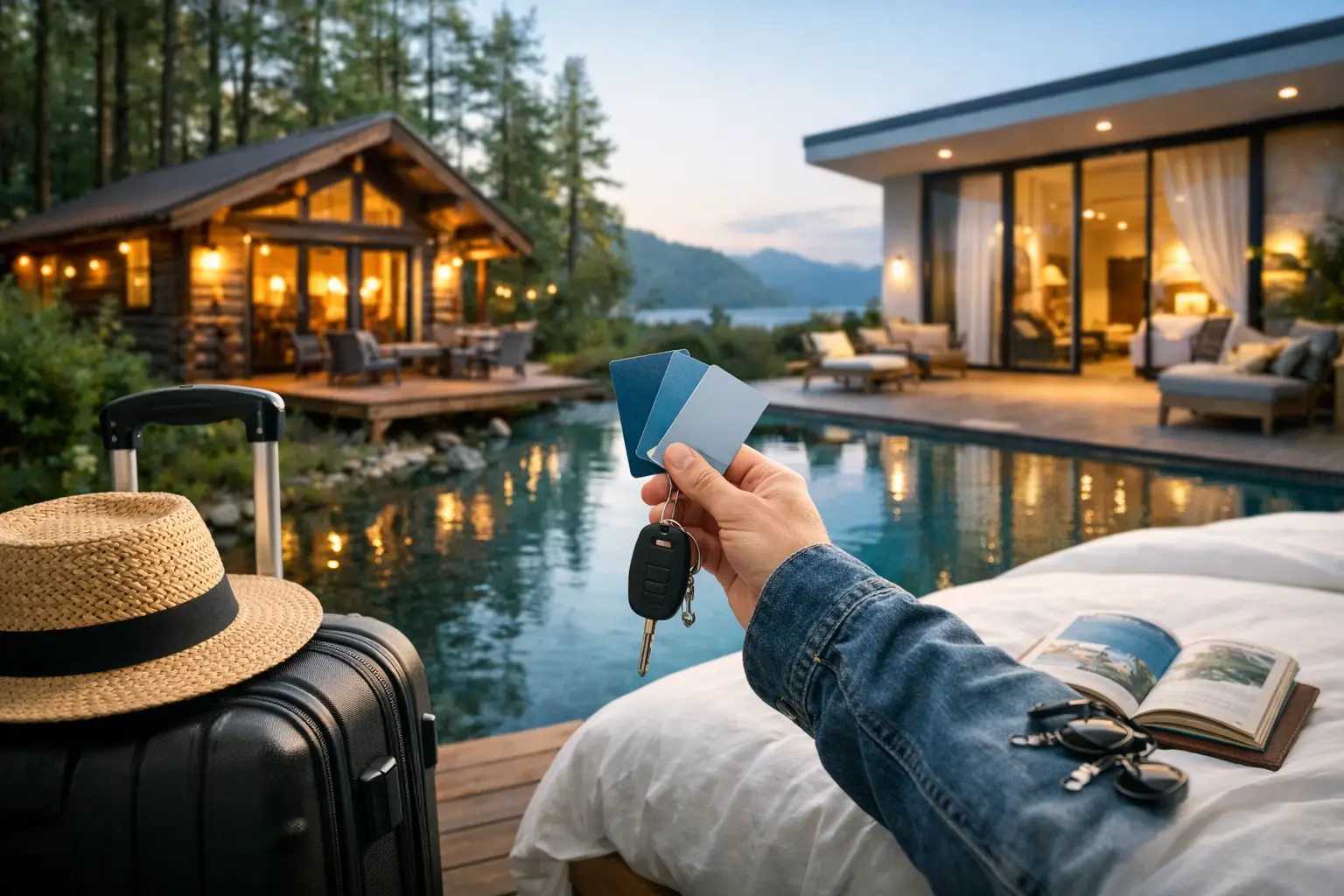
A late highway stop can feel very different depending on where you pull in. After hours behind the wheel, a crowded hallway, a long walk to your door, and a room that barely fits your family can make the night feel like more travel. Knowing how to choose private lodging helps you find a place where you can park, settle in, and get real rest before the next leg of the trip.
Private lodging does not have to mean fancy or expensive. For many travelers, it simply means having your own door, room to breathe, and fewer people passing outside your window. Whether you are traveling with kids, a pet, an RV, or just a full day of driving behind you, the best choice comes down to a few practical details.
Start With the Kind of Privacy You Need
“Private” can mean different things from one property to another. A standard hotel room may have a private bathroom, but it can still come with shared corridors, stairs, elevators, parking lots, and noise from neighboring rooms. A cabin, tiny home, duplex unit, or ground-floor room can offer a more independent setup.
Think about what will make your stop easier. If you are arriving late, a ground-floor entrance close to parking may matter more than a large lobby. If you are traveling with children, a separate cabin or duplex unit can make bedtime simpler and give everyone a little room. If you have been on the road with a dog, a private exterior door is often much more convenient than navigating an indoor hotel.
The goal is not to pay for space you will not use. It is to avoid the kind of setup that creates extra work at the end of a long day.
How to Choose Private Lodging Near the Highway
Convenience matters, especially when your overnight stay is part of a longer route. Look at how far the property is from your exit, but do not stop there. A place that is technically nearby can still require confusing turns, heavy local traffic, or a drive back through town after you have already exited the interstate.
For travelers on I-16 near Dublin, Georgia, lodging less than a mile from the exit can save time without putting you in the middle of a busy commercial strip. That combination is worth looking for: quick highway access when you are ready to leave, with a quieter setting when you are ready to sleep.
Also consider the next morning. Can you get your vehicle out easily? Is the parking area suitable for the size of your truck, trailer, or RV? A convenient location should make both arrival and departure feel simple.
Match the Unit to Your Actual Travel Party
Before booking, count people, pets, bags, and sleeping needs – not just the number of adults. A room that works for two people may not work for two adults, two kids, a large dog, and several coolers. Check the stated guest limit and sleeping arrangements so there are no surprises at check-in.
A smaller unit can be a smart value for a solo traveler or couple who only needs a clean bed, shower, television, refrigerator, and microwave. For a family or an extended stay, a larger cabin with a full kitchen may be worth the difference. Being able to prepare breakfast, store groceries, and wash dishes can make several nights away from home much easier.
There is a trade-off here. The lowest nightly rate is not always the best value if you need to buy every meal or book a second room. Choose the unit that fits your trip, not the one that sounds best in a listing.
Consider ground-floor access
Ground-floor lodging is easy to overlook until you are carrying luggage, helping a child who has fallen asleep in the car, or managing a pet after dark. No-stairs access is especially helpful for older travelers, guests with limited mobility, and anyone who simply wants to get inside without extra effort.
It also makes quick overnight stays more practical. Park, bring in what you need, and rest. For many road travelers, that is exactly the point.
Check the Everyday Essentials First
A private place to sleep should still cover the basics well. Before you reserve, confirm what comes with the unit rather than assuming every accommodation has the same features. Beds and a shower are the starting point, but small details can change how comfortable the night feels.
Look for essentials such as reliable heating and air conditioning, a television, refrigerator, microwave, enough outlets for charging devices, and a bathroom inside the unit. If you plan to stay several days, ask whether the unit has a full kitchen, cookware, or a dishwasher. Mobile workers may also want to ask about workspace needs and the practical details that support a longer stay.
Photos help, but clear information is even better. A property should be straightforward about what is included, how many people the unit sleeps, and which features are available in selected accommodations. That lets you book with confidence instead of trying to make do after arrival.
Do Not Treat Pet-Friendly as an Afterthought
Traveling with a pet narrows your options quickly. Some properties allow pets only in certain rooms, limit the size or number of animals, or charge a fee that changes the total price. Others make pets welcome but may have rules that affect where you can walk them or leave them while you are out.
Ask directly about the pet policy before booking. Confirm the fee, any limits, and whether your specific unit is pet-friendly. It is also wise to ask about nearby outdoor space and how close you can park to your door. After a long drive, you want a quick, low-stress routine for both you and your pet.
A pet-friendly stay is not just one that permits animals. It is one that makes the overnight stop manageable for the people traveling with them.
Compare the Full Price, Not Just the Nightly Rate
Budget-conscious travelers are right to compare rates, but the advertised nightly price is only one part of the decision. Ask about taxes, pet fees, extra-person charges, deposits, and any charges that may apply to a longer stay. If you are staying in an RV site, ask what is included and whether electricity is billed separately for monthly guests.
For an overnight stop, a simple room with the basics may be the most practical choice. For a week, a month, or a work assignment in the area, the numbers may favor a cabin, tiny home, or full-hookup RV site. Water, sewer, and 30/50-amp electric service are not extras for many RV travelers. They are the difference between merely parking and being comfortably set up.
Value means getting what you need without paying for things that do not improve your stay. A quiet, clean, private unit near your route can be a better deal than a larger chain hotel room with a longer walk, more noise, and less flexibility.
Ask How Booking and Arrival Work
A complicated reservation process is frustrating when you are trying to plan from the road. Direct booking can be especially useful for private lodging because it gives you a chance to ask about the exact unit, parking, pets, arrival time, and length of stay. A quick call can prevent a mismatch that an online booking form may not catch.
When you speak with the property, ask what time you can arrive, how check-in works, and what to do if traffic delays you. If you are pulling an RV or trailer, mention it. If you need a kitchen, a pet-friendly unit, or a ground-floor entrance, say so upfront.
At Rusty’s Retreat, that direct approach is part of making the stop easy. A real conversation can get you set up faster than guessing which option fits your trip.
Choose Quiet With a Purpose
A highway-adjacent location is convenient, but you still need sleep. Look for lodging that gives you access to the road without placing your bed beside the busiest part of it. Individual units, outdoor-entry rooms, cabins, and a retreat-style setting can offer more peace than a packed building with doors opening onto the same corridor.
Quiet is not only about sound. It is also about having less friction. Easy parking, no stairs, a private door, a place for your pet, and a refrigerator for tomorrow’s drinks all help you settle down sooner. For extended stays, that calm matters even more because a temporary stop starts to function like home.
Before you book, picture the first fifteen minutes after you arrive. If you can park, unload, shower, eat something simple, and close your own door without hassle, you have likely found the right place. That is the kind of rest that makes the next day’s drive feel lighter.