
How to Plan Quick RV Stops Without the Hassle
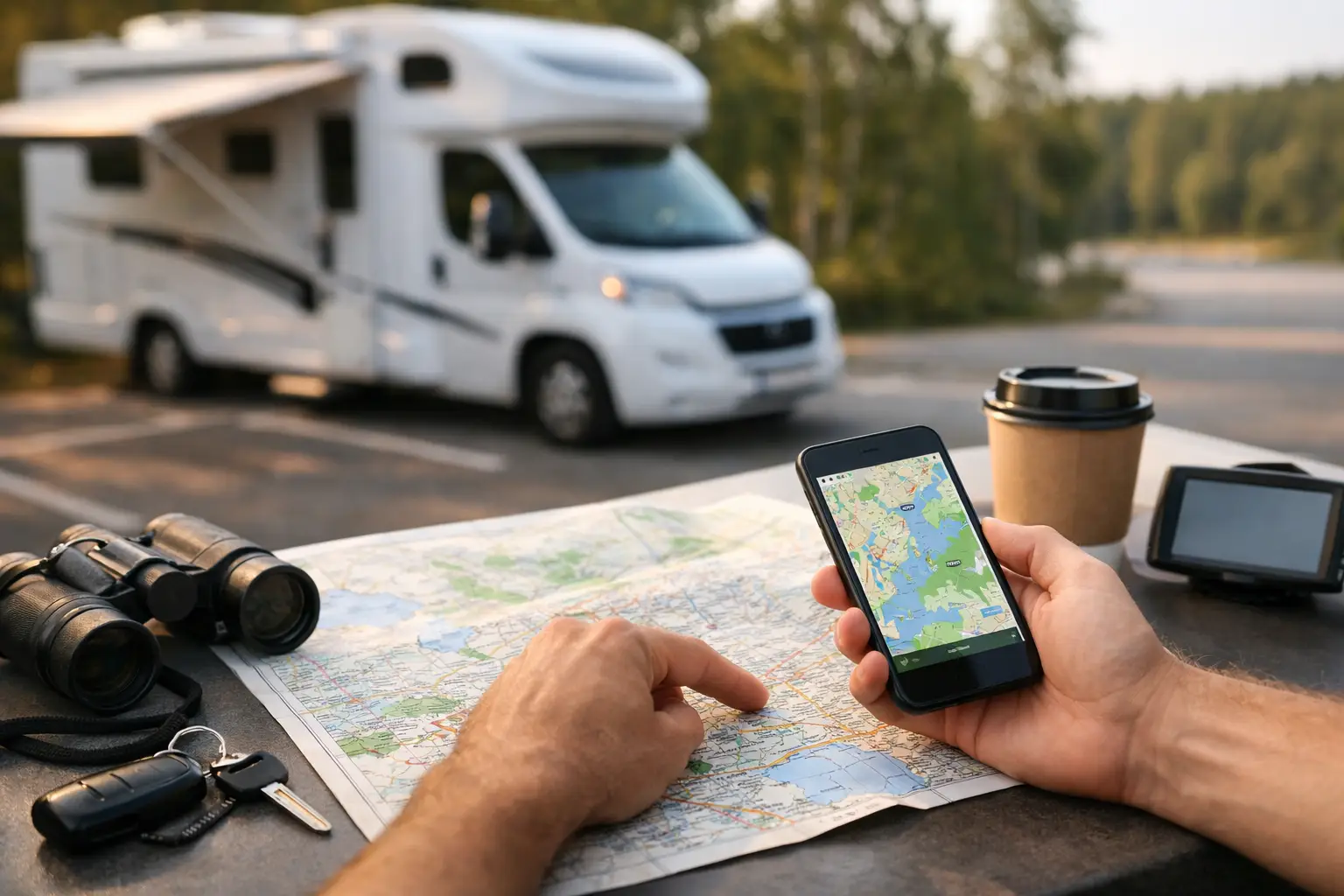
A long driving day can change fast. Traffic backs up, a passenger needs a break, the dog is restless, or you simply realize you have pushed far enough. The best way to plan quick RV stops is not to build a minute-by-minute schedule. It is to know what makes an overnight stop easy, safe, and worth pulling off the highway for.
For most RV travelers, a good quick stop means simple access, a level site, dependable hookups when needed, and a quiet place to sleep before getting back on the road. A little preparation keeps a late-day stop from turning into a stressful search in the dark.
Start With Your Real Driving Limit
Many travel plans look good on a map and fall apart by midafternoon. A route that seems manageable at breakfast may include fuel stops, construction, weather, meal breaks, and slower traffic through towns. Rather than choosing an overnight stop based only on mileage, choose it based on when you and your crew will actually be ready to park.
A practical rule is to identify a stop area before you need it. If you expect to be tired around 4:00 or 5:00 p.m., start looking at options an hour or two earlier. That gives you room to adjust if a campground is full, an exit is crowded, or you decide to call it a day sooner.
This matters even more when towing. Backing into an unfamiliar site after dark takes longer, especially if you are dealing with rain, tight turns, or a tired spotter. Arriving with daylight left is not always possible, but it is a good target when you can manage it.
Pick Stops for Access, Not Just Distance
For a one-night stay, location often matters more than campground extras. A stop close to your route can save you time in the evening and make the next morning easier. Look for lodging or RV sites near the interstate, but not so close that road noise keeps you awake.
Before choosing a place, check how far it is from your exit and whether the approach works for your rig. A park may be only a few miles away but still involve narrow roads, sharp turns, low clearances, or busy local traffic. Those details matter when you are driving a motorhome, pulling a fifth wheel, or arriving after a full day behind the wheel.
A practical overnight location should also be close enough to fuel, food, and basic supplies if you need them. Still, do not mistake a busy commercial area for the best rest stop. A quieter property just off the highway can give you the convenience you need without the crowded feel of a parking-lot overnight.
Check the Basics Before You Commit
Quick RV stops work best when you know exactly what you are getting. Not every overnight site has the same setup, and the right choice depends on your rig, your power needs, and how long you plan to stay.
For a short overnight, you may only need a safe place to park and enough room to get in and out. If you want to run air conditioning, recharge batteries, shower, cook, or dump tanks before the next stretch, full hookups can make the stop much more comfortable. Check whether a site provides water, sewer, and the electrical service your RV needs, such as 30-amp or 50-amp power.
It also helps to ask about site length and parking layout. A pull-through site can be a real time-saver for a one-night stop, while a back-in site may be no problem if you are arriving early and have room to maneuver. Larger rigs should confirm that there is enough space for both the RV and tow vehicle.
When calling ahead, keep the conversation simple. Share your RV length, whether you need hookups, how many people are traveling, and whether you have pets. Ask about arrival hours, payment, and any check-in instructions. A direct phone call can answer those questions faster than guessing from a listing.
Keep an Overnight Bag Within Reach
One of the easiest ways to make a stop feel quick is to avoid unpacking the whole RV. Keep a small overnight bag or tote ready with the items you use after parking: clean clothes, toiletries, medications, chargers, dog supplies, and breakfast basics.
This is especially useful if you occasionally choose a cabin or ground-floor room instead of staying in the RV. A simple roadside cabin can be a comfortable option when you want a real shower, more space, or a break from the coach. It can also help when your RV needs service, weather is rough, or you are traveling with family members who sleep better indoors.
For travelers along I-16 near Dublin, Georgia, Rusty’s Retreat offers full-hookup RV sites along with practical ground-floor cabins, tiny homes, and duplex-style stays close to Exit 51. It is the kind of stop that lets you get settled without navigating hotel hallways or hauling bags up stairs.
Plan for Late Arrivals Without Assuming They Are Fine
Late arrivals happen. Road work, storms, and a long fuel stop can put you behind schedule. The key is to communicate before the office closes or before you reach the property.
Do not assume every RV park allows late check-in, overnight arrivals, or after-hours site access. Some places have a gate, limited staff, or quiet-hour rules that affect when and how you can come in. Others can accommodate you if they know you are on the way. Calling ahead gives the host time to explain where to park, how to find your site, and what to do when you arrive.
If you are likely to arrive late, have a backup option in mind. Keep the address, phone number, and directions saved before you lose cell service. It is also smart to download your route or take a screenshot of the final few turns. GPS is helpful, but it does not always know whether an entrance is RV-friendly.
Build a Short Departure Routine
The morning after a quick stop should not take an hour of searching for gear. Before bed, decide what needs to be handled before you pull out. If you have hookups, top off water or dump tanks as needed. Put away outdoor chairs, mats, and pet items so you are not gathering them in a rush at sunrise.
A simple walk-around is worth the few extra minutes. Check that storage doors are latched, steps are in, antennas are down, and your tow connection is secure. Look at your tires and make sure nothing was left beneath or beside the RV. These small checks are easier at a quiet overnight stop than after you are already on the interstate.
If you are traveling with pets, give them a proper break before departure. A rushed morning can mean a restless dog an hour down the road. Keep a leash, waste bags, water bowl, and treats near the door so the first outing does not require digging through a compartment.
Know When a Longer Stop Is the Better Call
A quick stop does not always have to be one night. If weather is moving in, someone is worn out, or the next leg includes a difficult drive, staying an extra day can be the safer and more affordable decision. The same is true when you need time for laundry, groceries, RV maintenance, or remote work.
Monthly RV sites can also make sense for work travelers and people spending time in one area. In that case, dependable water, sewer, and electrical hookups matter more than being close to a tourist attraction. Ask about monthly rates, utility costs, site rules, and how mail, packages, and guests are handled before settling in.
Make the Stop Serve the Trip
The goal is not to find the fanciest place every night. It is to choose a stop that fits the day you have had and the road ahead. Some nights, that means a full-hookup site with a fast departure in the morning. Other nights, it means a quiet room, a hot shower, and a bed that gives everyone a better reset.
Give yourself permission to stop before the drive becomes a chore. A calm overnight stay can turn tomorrow’s miles into a much easier ride.