
RV Living Trends That Matter on the Road
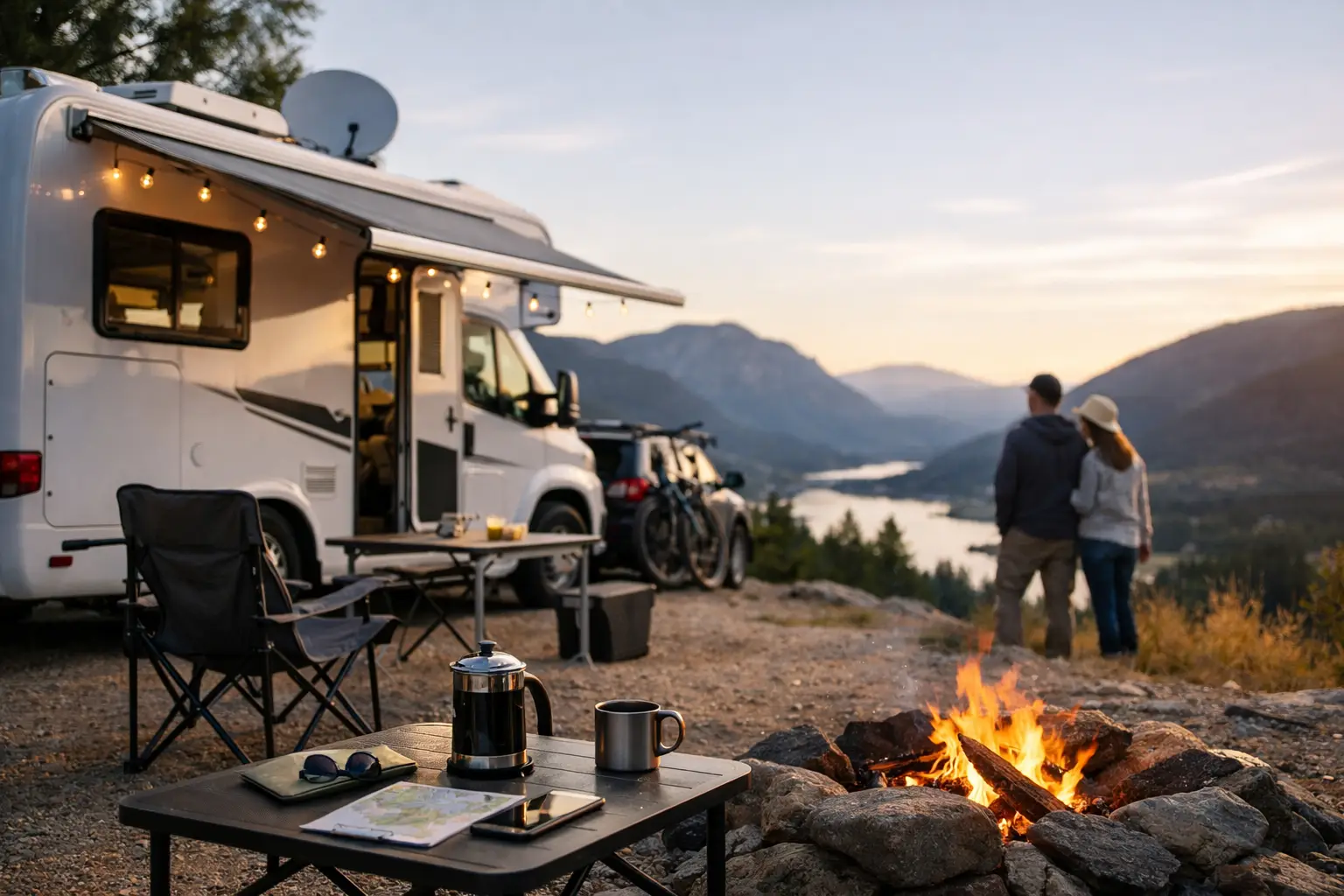
A roadside stop used to be mostly about finding a place to park, sleep, and get back on the highway early. RV living trends are changing that. More travelers want a stop that works for the whole trip: dependable hookups, room to settle in, a place for the dog, a quiet night, and an easy route back to I-16 in the morning.
That does not mean every RVer is looking for the same thing. A family headed to the coast has different needs than a couple traveling for months, and a mobile worker may need more time and comfort than someone staying one night. Still, a few clear shifts are shaping what people expect from RV stays.
RV Living Trends Start With Flexible Travel
Many travelers are no longer planning every stop months in advance. They may reserve a few key nights, then leave room for weather, traffic, work schedules, or simply a town that feels worth another day. That makes location and straightforward booking more valuable than a long list of extras nobody will use.
For travelers moving along I-16, being close to an exit matters. After a long day behind the wheel, no one wants a complicated detour through unfamiliar roads, especially after dark or while towing. A convenient stop should still feel removed from the noise of the highway once you are parked.
This trend also means shorter stays and longer stays can happen at the same property. One guest may need a simple overnight break. Another may need a monthly site while working in the area, waiting on a repair, or taking their time between destinations. RV parks that can serve both groups tend to be more useful than places built around only one type of traveler.
Full Hookups Are Becoming a Basic Expectation
For many RV owners, water, sewer, and electric service are not special upgrades. They are what makes an RV stay comfortable and manageable. Full hookups let guests shower, cook, run the air conditioner, and handle everyday routines without packing up or rationing resources every few days.
Electrical service deserves a closer look. Smaller rigs may only need 30-amp power, while larger fifth wheels and motorhomes often require 50-amp service to run more than one major appliance comfortably. Before pulling in, it helps to know what your rig needs and whether the site can support it.
The trade-off is simple: a fully equipped site may cost more than a basic overnight parking option. But for a multi-night stay, the difference can be worth it. Dump-station lines, limited battery power, and the hunt for fresh water can take up more of a trip than people expect.
For extended stays, ask how electricity is handled. Monthly rates can be a practical choice, but electricity may be billed separately based on use. That is common and fair, especially during Georgia summers when air conditioning runs hard. Knowing the arrangement upfront helps travelers budget without surprises.
Comfort Is About the Site, Not Just the Rig
Even a well-equipped RV feels cramped when the stay itself is difficult. Level ground, a manageable setup, easy access, and enough peace to sleep matter. Travelers also appreciate a property where they can arrive, get connected, and settle down without a lot of rules to sort through at the gate.
A quiet setting is especially valuable for people driving long distances. A good night of rest makes the next day’s miles safer and easier.
Remote Work Has Changed the Length of the Stay
Remote work has made RV travel possible for more people, but it has also made reliable routines more important. Some travelers are taking calls from their rigs, working a few hours in the morning, and then continuing down the road. Others stay put for weeks when a location fits their schedule.
The practical needs are not complicated. Mobile workers need a comfortable place to park, dependable power, and enough quiet to focus. Internet needs vary widely. One person can work from a phone hotspot, while another needs a stronger connection for video meetings or large file transfers. It is wise to check coverage for your own carrier before committing to a longer stay.
The bigger change is that RV parks are no longer only weekend destinations. They can be temporary home bases. This is why monthly full-hookup options are gaining attention from contract workers, traveling professionals, and people in between homes.
Pet-Friendly Travel Is Now Part of the Plan
More people travel with pets because they want to, not just because they have no other option. For many families, the dog is coming along whether the trip lasts a weekend or a season. Pet-friendly policies can make the difference between an easy stop and a stressful search late in the day.
Travelers should still check the details. Pet fees, leash requirements, breed rules, and the number of pets allowed can differ from place to place. Bringing pets also calls for a little extra courtesy: pick up after them, keep them close around other guests, and avoid leaving them alone in a hot RV.
The best pet-friendly stop is not necessarily the one with the biggest dog run. Often, it is the one that makes arrival easy, provides a calm place for an evening walk, and treats responsible pet owners like welcome guests.
Smaller Rigs and Tiny Homes Are Expanding the Options
Not everyone interested in compact travel owns a large motorhome. Travel trailers, camper vans, and smaller Class B and Class C RVs are popular because they can be easier to drive, easier to fuel, and easier to fit into everyday travel plans. They also appeal to people who want more freedom without taking on the size and cost of a big rig.
At the same time, tiny homes and cabins give road travelers another choice. Some nights, especially after several days in an RV, a ground-floor cabin or tiny home can be a welcome reset. A real bed, shower, refrigerator, microwave, and room to spread out can make travel feel less like roughing it without turning it into a high-priced hotel stay.
This is also where compact living and ownership overlap. Some buyers are looking at tiny homes as personal retreats, guest units, or simple homes with a smaller footprint. The right choice depends on how you plan to use it. An RV offers mobility. A tiny home offers a more fixed, home-style setup. Neither is automatically better.
At Rusty’s Retreat in Dublin, guests can choose full-hookup RV sites or ground-floor lodging options when a cabin, duplex, or tiny home better fits the night. That kind of flexibility is useful for mixed travel groups, bad weather, or anyone who wants a break from the usual setup.
Value Matters More Than Flash
One of the strongest RV living trends is not glamorous at all: travelers are paying closer attention to the total cost of a stop. Fuel, campground fees, groceries, repairs, and attraction tickets add up quickly. A place does not have to be fancy to be a good value.
A worthwhile stay gives travelers what they actually need: a safe-feeling place to rest, the hookups their rig requires, clear rates, a clean and practical setting, and a simple way to book. For some, that may be a basic overnight site. For others, it may be a private cabin with a kitchen after a long drive.
Price should be considered alongside convenience. Saving a few dollars can lose its appeal if the property is far from your route, the site does not fit your rig, or the available services do not match your needs. A direct phone call before arrival can clear up those questions quickly.
How to Choose a Stop That Fits Your Trip
Before you pull off the highway, think about what tomorrow requires. If you are leaving early, interstate access and an easy departure may be your priorities. If you are staying a week or a month, focus more on hookups, electric service, site comfort, pet rules, and the practical costs of settling in.
Ask whether you need 30-amp or 50-amp power, whether sewer is available at the site, and how long you expect to stay. If you are traveling with family or pets, make sure the accommodation and occupancy rules fit everyone coming along. And if you would rather sleep in a cabin than your RV for one night, ask about ground-floor options before assuming every roadside stop is the same.
The road is more enjoyable when your overnight plan is simple. Pick the stop that lets you park, get comfortable, and wake up ready for the next stretch of highway.