
Tiny Home Ownership Guide for Practical Buyers
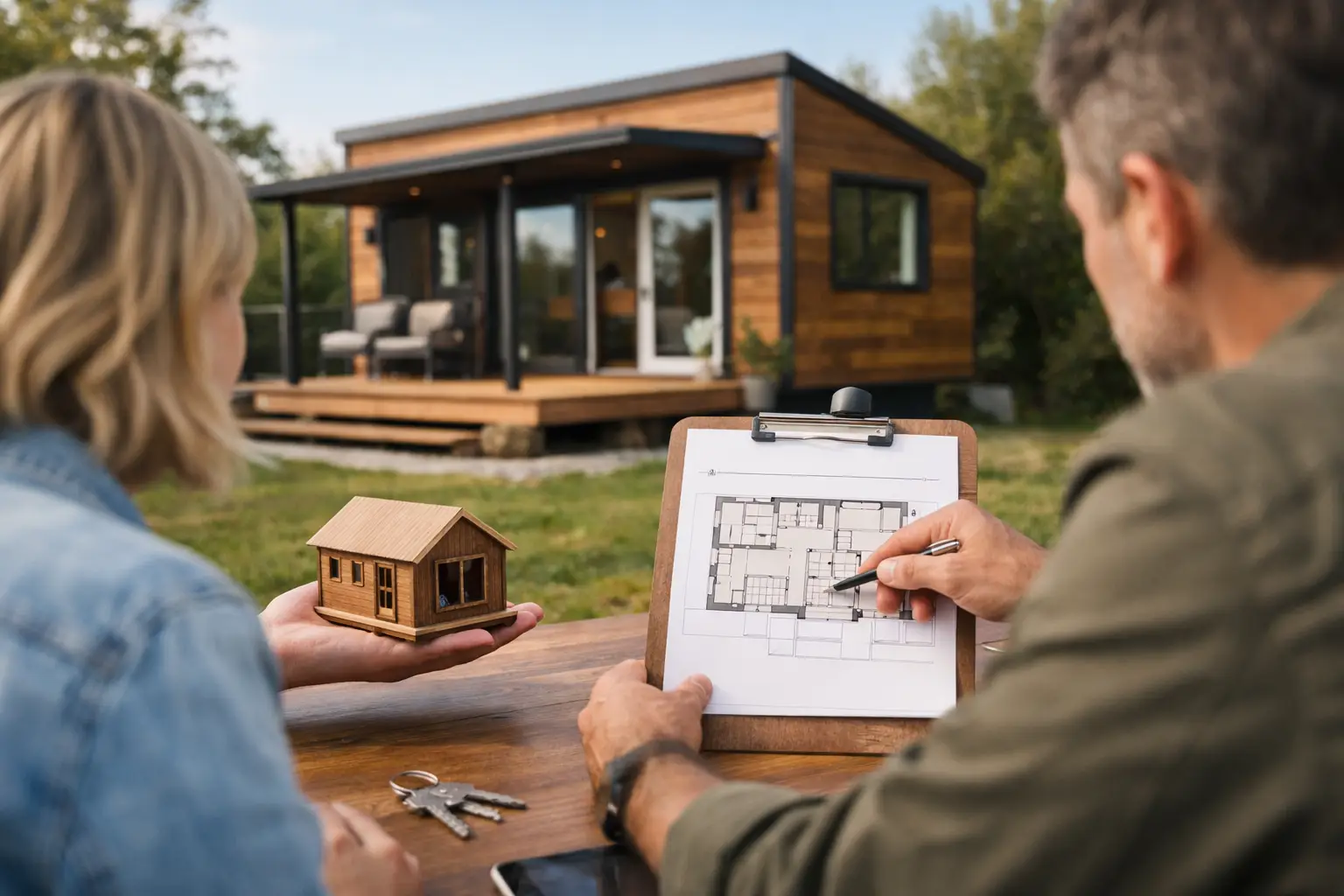
A tiny home can look like a simple answer: less space, less upkeep, and a lower price than a conventional house. But the building itself is only one part of the decision. This tiny home ownership guide is for practical buyers who want to know what comes next – where it will sit, how it will connect to utilities, what it will cost month after month, and whether compact living will work for the long haul.
For some people, a tiny home is a full-time residence. For others, it is a guest cabin, a travel-stop unit, a backyard office, or a place to stay while working away from home. The best choice depends on how you plan to use it.
Start With the Job Your Tiny Home Needs to Do
Before comparing floor plans, decide what you need the home to handle. A weekend getaway has different needs than a permanent residence. A unit for one person may feel comfortable with a loft bed and compact kitchen. A couple with pets, visiting family, or a remote-work setup may need more ground-floor sleeping space, storage, and a full bathroom.
Think through ordinary days, not just the first walk-through. Where will coats, tools, laundry baskets, pet supplies, groceries, and work equipment go? Can you stand comfortably in the sleeping area? Is there room to sit down for a meal when bad weather keeps you inside? A small space can be peaceful, but only when the layout supports your real routine.
Tiny homes generally come in two broad forms. A home built on a trailer can offer mobility and may be useful for certain travel or temporary-placement plans. A foundation-built home is usually intended to stay in one location and may be easier to finance or insure as a permanent dwelling. Neither is automatically better. The right option depends on local rules, your land plan, and whether you truly expect to move it.
Know the Full Cost Before You Buy
The purchase price gets attention because it is easy to compare. The full cost of ownership is where buyers can get surprised. A finished tiny home may need delivery, site preparation, utility connections, permits, insurance, furnishings, skirting, steps or a porch, and ongoing maintenance.
A clear budget should include the home itself, transportation to the property, land or a lot lease, and the cost to make the site usable. If the property does not already have water, sewer, power, and a proper access drive, those items can add up quickly. Septic work and electrical service are often major expenses, especially on rural land.
You will also have regular bills. Those can include lot rent, property taxes, insurance, electricity, water, propane, internet, trash pickup, and repairs. A smaller home can reduce some utility use, but it does not make every expense disappear. If you are placing the unit in an RV park or community, ask exactly what is included in the monthly rate and what is billed separately.
Financing can be different, too. A traditional mortgage may be available for some foundation-built homes, but trailer-based tiny homes are often financed more like RVs, manufactured units, or personal property. Terms, rates, and down-payment requirements may vary. Get the financing details in writing before putting down a deposit.
Land, Zoning, and Placement Come First
A beautiful tiny home is not useful if it has nowhere legal and practical to sit. Check the rules for the city, county, neighborhood, and property before you buy. Do not rely on a verbal promise from a seller, a neighbor, or an online post.
Ask whether a tiny home is allowed as a primary residence, an accessory dwelling, a rental unit, or only as a temporary structure. Find out whether the home must be on a permanent foundation, meet specific building standards, have a minimum square footage, or connect to approved water and septic systems. Some areas treat homes on wheels as RVs and limit how long they may be occupied.
If you plan to buy land, walk it with the placement in mind. Delivery trucks need a workable route. The ground needs suitable drainage and enough room for setup. Trees, overhead lines, narrow gates, soft soil, and sharp turns can make delivery difficult or expensive. A site that looks open from the road may still need grading or clearing.
For buyers who do not want to purchase land right away, a monthly RV site or an approved tiny-home community can be a practical bridge. It may provide a quicker setup with water, sewer, and electrical hookups already in place. Still, read the agreement closely. Confirm the length of stay allowed, pet policies, guest rules, utility charges, and whether your specific home type is accepted.
Utilities Make Small Living Work
Good utility planning is what turns a compact unit into a comfortable home. Ask how the home is set up for power, water, wastewater, heating, cooling, and internet. Do not assume a plug, hose connection, or solar panel package will meet every need.
Electrical service should match the home’s appliances and heating or cooling equipment. If you are considering a location with RV hookups, confirm whether the available service works with your unit and whether adapters are appropriate. A licensed electrician can help you avoid guessing.
Water and wastewater deserve the same attention. A full-time home needs a dependable water source and a legal wastewater solution. If the property uses a septic system, make sure it is sized and approved for the expected use. For a travel-oriented unit, tank capacity and access to dump services matter more than buyers sometimes expect.
Internet is another daily necessity for many owners. Cell coverage can be strong in one part of a county and weak a few miles away. If you work remotely, test service at the actual site before committing. Ask local providers what is available instead of planning around an assumed connection.
Choose a Layout for Daily Comfort
Square footage matters, but usable square footage matters more. A well-planned 350-square-foot home can feel easier to live in than a larger unit with awkward storage or tight pathways. Look for practical details: full-size appliances if you cook often, accessible bathroom space, enough counter room, windows that provide light without giving up privacy, and sleeping arrangements that fit your mobility needs.
Lofts are popular because they save floor space, but they are not right for everyone. Steep stairs or ladders can become a problem after an injury, with young children, or as owners get older. Ground-floor bedrooms and no-stairs entry can be worth prioritizing if you want the home to work for more years and more types of guests.
Inspect build quality closely. Open and close cabinets, check seals around windows, look underneath if possible, and ask what insulation, heating, and cooling system the home uses. In Georgia heat and humidity, a good HVAC setup, ventilation, and moisture control are not extras. They help protect the home and keep it comfortable.
Plan for Storage, Pets, and Real Life
Tiny-home living works best when you bring fewer things into the space and give the remaining things a purpose. Built-in storage helps, but it cannot solve every clutter problem. Consider seasonal items, tools, sports gear, luggage, paperwork, and anything tied to your work or hobbies.
Pet owners should look beyond whether pets are allowed. Think about floor durability, a safe outdoor area, room for crates or beds, and how muddy paws will be handled. A compact home can be a comfortable place for pets, but everyone needs a little breathing room.
It also helps to decide what you will keep outside the home. A small shed, covered porch, storage box, or designated parking space can make a big difference, provided it is allowed where you place the unit. Just make sure outdoor storage does not become a workaround for buying more than the property can realistically support.
Inspect the Purchase Agreement and Warranty
Whether you are buying new or used, ask for a detailed written agreement. It should identify the exact unit, included appliances, delivery terms, site requirements, payment schedule, warranty coverage, and who is responsible if delivery is delayed or site access is not ready.
For a used tiny home, inspect the trailer frame or foundation, roof, plumbing, electrical system, windows, flooring, and signs of water damage. If you are not comfortable evaluating those items, pay for an independent inspection. That cost can be small compared with repairing hidden problems later.
Ask the seller for documentation that may matter in your area, including manufacturer information, serial or vehicle identification details for homes on wheels, construction records, and appliance manuals. Keep those papers organized. They can help with insurance, financing, registration, resale, and future repairs.
A tiny home is not a shortcut around planning. It is a chance to own a space that fits your budget and your way of living, without paying for rooms you do not need. If you are considering a compact cabin or tiny home for a residence, rental, or travel stop, Rusty’s Retreat can help you start the conversation with practical questions about the unit, the setup, and what will make the purchase work for you.