
How to Buy Tiny Homes for Sale in Georgia
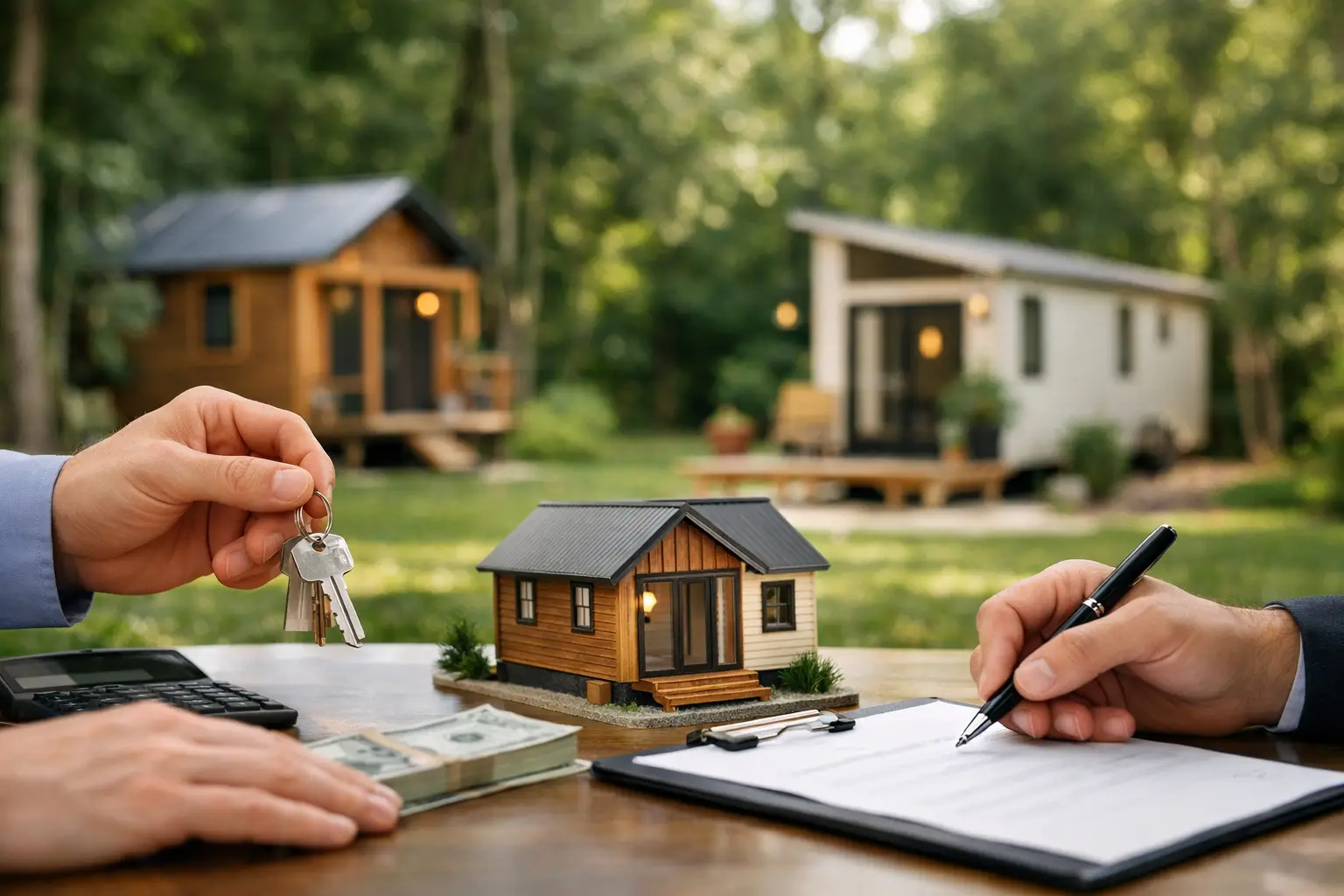
A tiny home can solve a real problem: you need a comfortable place to live, a simple weekend place, a guest unit, or a compact rental without taking on more space than you will use. When looking at tiny homes for sale in Georgia, the home itself is only part of the decision. Where it will sit, how it will connect to utilities, and whether the layout works for your daily routine matter just as much.
For buyers who want a straightforward conversation and a chance to look at practical units, Rusty’s Retreat in Dublin offers tiny homes for sale alongside its roadside lodging and RV accommodations. It is a useful way to see how compact spaces can feel when they are set up for real travelers and longer stays – not just staged for a photo.
Start With How You Plan to Use the Home
Before comparing prices, decide what job the tiny home needs to do. A weekend cabin, a primary residence, a backyard guest space, and a travel-stop rental can all need different floor plans, utility setups, and approvals.
If you are buying for yourself, think about the routines that take up the most room. Do you cook full meals? Work from a laptop each day? Travel with a pet? Need a ground-floor sleeping area? A compact home works best when the layout supports those habits instead of asking you to work around them.
For a rental or guest unit, durability and easy turnover may be more useful than extra decorative features. A refrigerator, microwave, shower, comfortable bed, dependable heating and cooling, and storage can carry more value than finishes that look good but are hard to maintain.
Tiny home, cabin, or park model?
People often use these terms interchangeably, but the distinction can affect placement and permits. A tiny home on a trailer may be treated more like a recreational vehicle or park model in some locations. A cabin or small home placed on a permanent foundation may fall under residential building rules instead.
Ask the seller exactly how the unit is built, its dimensions, whether it has a title or certification documents, and what type of transport it requires. Those answers help you have a more productive conversation with your county, city, lender, insurer, or installer.
Check the Land Before You Commit
A good price on a home does not help much if the property cannot legally or practically support it. Georgia does not have one single tiny-home rule for every community. Zoning and building requirements can differ by county, city, subdivision, and even the specific parcel.
Call the local planning or zoning office before making a final purchase. Explain whether the home will be permanent, whether it will be on wheels, and whether it will be your main residence, a guest unit, or a rental. Ask about minimum square footage, setbacks, foundation requirements, occupancy rules, accessory dwelling unit rules, and any permits you may need.
If the land is in a neighborhood with a homeowners association, read the covenants too. Some properties are fine with a small house but restrict trailers, short-term rentals, or additional dwelling units. Get clear answers in writing when possible. A quick call early can prevent an expensive surprise later.
Think through site access
Tiny does not always mean easy to deliver. A delivery route needs enough clearance for the home, the truck, and turns into the property. Low branches, narrow gates, soft ground, steep driveways, and overhead wires can all create problems.
Walk the route with the seller or delivery crew if there is any question. You should also know where the unit will sit and whether the pad needs grading, gravel, piers, a foundation, anchors, or drainage work. Site preparation is part of the budget, not an afterthought.
Budget for More Than the Sale Price
The sticker price is a starting point. Buyers should ask for a clear picture of what is included and what will be their responsibility after purchase. Delivery, setup, anchoring, utility connections, site work, permits, insurance, and furnishings can change the total quickly.
A home with a full kitchen may cost more upfront, but it can make sense for a long-term resident or frequent traveler who wants to cook. A simpler unit may be the better value for a guest cabin, a hunting property, or a place used only a few weekends a year. There is no one right setup – it depends on how often it will be used and what you need it to do.
Utilities deserve close attention. Ask whether the home is set up for standard electric service, what amperage is needed, how water and sewer connections work, and whether it can use a septic system. If the property is rural, you may need to plan for a well, septic approval, or both. If you are placing the unit at an RV site or campground, confirm the available hookups and rules before buying.
What to Inspect in Tiny Homes for Sale in Georgia
Small spaces make every feature more noticeable. During a walkthrough, open cabinets, stand in the shower, sit at the table, and picture where everyday items will go. A layout that looks open in photos may feel tight if there is no place for shoes, clothes, food, cleaning supplies, or pet gear.
Pay special attention to the systems that affect comfort and upkeep. Check the windows and doors, look for signs of leaks or soft spots, test appliances if possible, and ask about the age and service history of heating and cooling equipment. In Georgia’s hot, humid summers, a properly sized and maintained air-conditioning system is not a small detail.
Look underneath the unit when you can. You want to understand the condition of the frame, insulation, plumbing lines, and any visible wiring. With a pre-owned unit, ask whether it has been moved before, how it was transported, and whether repairs were made after relocation.
A few practical questions are worth asking every seller:
- What is included in the sale, from appliances to delivery?
- Is the home designed for permanent placement, travel, or seasonal use?
- What electrical, water, and sewer connections does it need?
- Are there manuals, warranties, titles, receipts, or inspection records available?
- Can I see the exact unit before I buy it?
A seller who answers plainly and lets you inspect the details is usually easier to work with after the sale as well.
Choose a Layout That Stays Comfortable
The best compact homes do not try to copy a large house room for room. They make smart use of the space they have. Ground-floor living and sleeping areas can be especially helpful for buyers who do not want ladders or loft stairs. That same feature can make a unit easier to use for guests of different ages.
Think carefully about lofts. They can free up floor space, but they also bring lower ceilings, heat buildup, and limited access. A loft may be perfectly fine for occasional guests or older children. For a primary bedroom used every night, a ground-level bed may be the more comfortable choice.
Kitchen needs vary too. A refrigerator and microwave may be enough for a short stay. If you plan to live in the home full time, host family, or use it as an extended-stay rental, a fuller kitchen and dishwasher can make day-to-day life much easier. Do not pay for features you will not use, but do not underestimate the value of a functional cooking space.
Buying Local Can Make Setup Easier
Buying from a seller within reach of your property can simplify the process. You may be able to inspect the actual home, discuss delivery directly, and get practical guidance about the kind of setup common in the area. This is especially helpful if you are buying your first compact home and do not want to coordinate several companies from a distance.
A direct call is often the fastest way to get the details that listings leave out: current availability, measurements, condition, delivery options, included appliances, and whether a unit is ready to move now. Bring your land details, your intended use, and a realistic budget to that conversation.
A Small Home Should Still Feel Like Home
A tiny home works when it gives you less space to manage, not less comfort than you need. Take the time to check the land, the utilities, the layout, and the real cost of getting settled. Then choose the unit that fits your everyday life well enough that, when you pull up at the end of the day, it feels like a place worth stopping for.